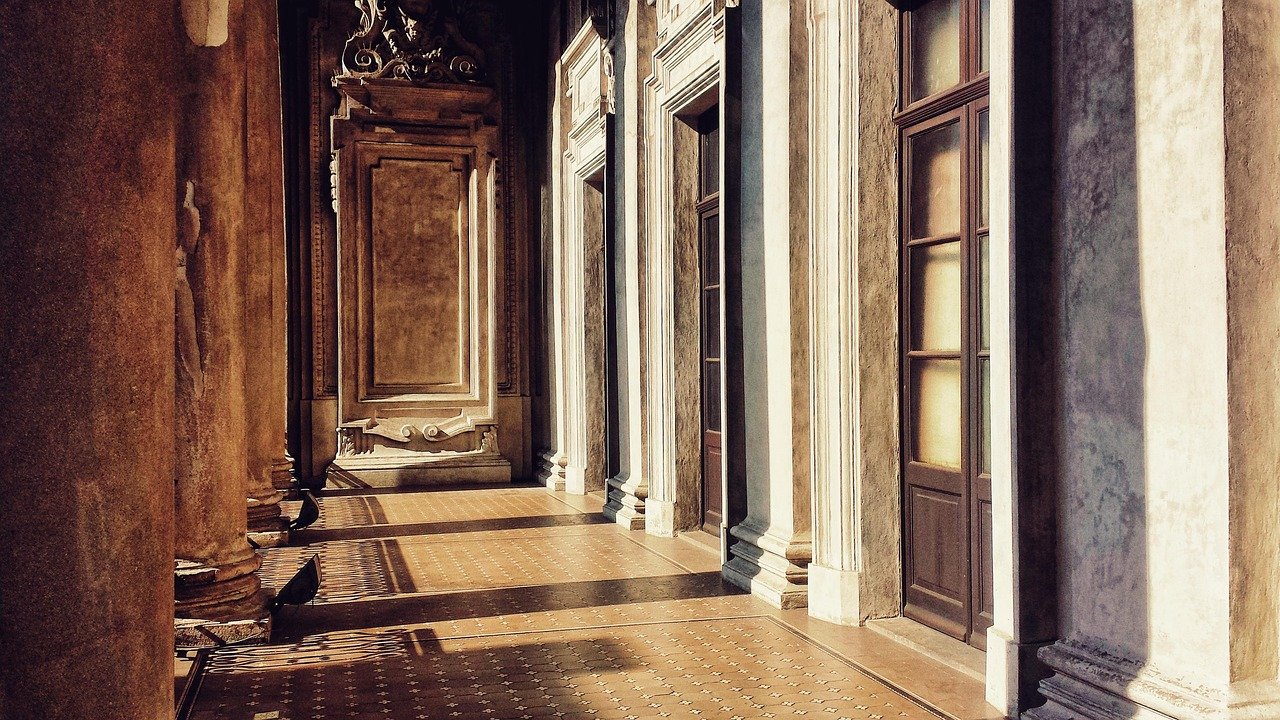
The Centro Cultural Banco do Brasil sits in Rio’s historic heart at Rua Primeiro de Março, 66, and is open Wednesday through Monday from 9 AM to 8 PM — with free entry to all exhibitions. Inside, what you find is nothing like what the street suggests: marble floors, ornate columns, a rotunda with a dome that once served as the trading floor for the Public Funds Exchange, and walls that now house works by artists from around the world. If you’re in downtown Rio for a day and don’t step inside, you’ll miss one of the most complete free attractions in the city.
What You’ll Find in This Guide
- A Building That Holds Over a Century of History
- What You’ll Find in the CCBB Program
- How to Get to CCBB Rio
- Best Time to Visit and How Long to Stay
- What to Combine on the Same Day
- Where to Eat Near CCBB
- Practical Tips Before You Visit
- Is It Worth It? — Who the CCBB Is For
- Frequently Asked Questions
A Building That Holds Over a Century of History
The building on Rua Primeiro de Março wasn’t built to be a cultural center. In 1906, it was the headquarters of the Rio de Janeiro Commercial Association — a temple of commerce and finance, designed with the solemnity of those who wanted to impress. In 1920, Banco do Brasil took over the space, and those marble rooms saw lines of bank customers for decades.
Dica: Aproveite também para fazer estes passeios no Rio de Janeiro
Cristo Redentor de trem e tour pelo Rio de janeiro. Duração: 4 horas
Passeio grátis pelo centro histórico do Rio e Lapa. Duração: 3 horas
Free tour pelo bairro de Santa Teresa. Duração: 2h 30m
Amanhecer no mirante de Dona Marta + Cristo Redentor Duração: 4 horas
Veja todos os passeios e tranfers no Rio de Janeiro
The central rotunda, with its imposing dome, once hosted the trading floor of the Public Funds Exchange. Imagine the noise of shouted negotiations under that dome — and compare it to the contemplative silence of an art gallery today. The transformation began in the late 1980s, when Banco do Brasil decided to preserve the building by converting it into a cultural center. The renovation kept the Ionic columns, the original marble, and the rotunda’s dome, and the CCBB opened its doors in 1989.
Since then, the space has counted over 58 million visits and more than 2,450 projects in visual arts, film, theater, dance, music, and debate of ideas. That’s no small number for a place that has never charged admission.
What You’ll Find in the CCBB Program
The CCBB’s program changes frequently, and that’s exactly what makes it worth checking the official website before each visit. But the format is stable enough for you to know what to expect.
Visual Arts
Visual arts exhibitions are the main draw. The CCBB brings retrospectives of renowned artists and thematic shows of international reach — the kind of curation that, in other contexts, would charge dozens of reais for admission. The space on the upper floors has been adapted to host large-scale installations, and the lighting in the rooms is careful enough for you to feel the difference. Check the current schedule at ccbb.com.br/rio-de-janeiro/programacao.
Cinema
The CCBB maintains a regular film program, with thematic cycles, retrospectives, and screenings of movies that rarely make it to the commercial circuit. Tickets for film sessions have a symbolic price, and in some cycles, they are also free — worth checking beforehand.
Theater, Dance, and Music
The CCBB theater hosts dance performances, plays, and concerts with surprising regularity. The space is smaller and more intimate than the city’s big theaters, which can be an advantage — you’re close to the stage and the performance. To guarantee a seat, buy tickets in advance online or in person at the box office.
Educational Activities
For those going with kids or wanting to deepen their visit, the CCBB offers guided tours and cultural education activities, usually linked to the exhibitions on display. Scheduling is typically done directly with the space — call (21) 3808-2300 or check the website.
How to Get to CCBB Rio

The address is Rua Primeiro de Março, 66, Centro. The location is one of the most accessible in Rio — the downtown area is the convergence point for practically all of the city’s transportation.
By Metro
The most practical way is the metro. The nearest station is Uruguaiana — check the MetrôRio app for the line and operating hours, as times vary by day of the week. From the station exit to the CCBB’s door, it’s just a few minutes on foot through the historic center.
By Bus
Dozens of bus lines pass through the downtown area and the Praça XV region, which is just a few meters from the CCBB. If you’re coming from Copacabana, Ipanema, or Barra, look for buses heading to the city center — the closest stop to the CCBB is on Rua Primeiro de Março itself or on parallel streets.
By Ferry
Those coming from Niterói on the Praça XV ferry disembark less than 200 meters from the CCBB. It’s literally the most scenic way to arrive: you cross Guanabara Bay with the city ahead of you and step off right in the historic heart of downtown.
By Taxi or Ride-Share
A taxi or Uber from Copacabana to the CCBB costs between R$ 30 and R$ 50, depending on the time and traffic. During peak hours downtown, the metro is much faster.
By Car
Coming by car isn’t the best idea. Parking in the downtown area is expensive, and traffic can be chaotic on weekdays. If you do drive, prefer weekend mornings.
Best Time to Visit and How Long to Stay
The CCBB is open Wednesday through Monday, from 9 AM to 8 PM. It’s closed on Tuesdays — don’t forget that before heading out.
Set aside at least two hours for a relaxed visit. If there’s more than one exhibition on display (which is common), three hours gives you more time to sit on the benches scattered around the rooms, read the descriptions carefully, and stop by the café without rushing.
The best time is at opening, 9 AM, especially on weekends when big-name exhibitions fill the space in the afternoon. During the week, the flow is calmer at any hour. Avoid the last 30 minutes before closing — the staff starts guiding people out.
What to Combine on the Same Day
Rio’s historic center is dense with culture and monuments, and you can put together a complete walking itinerary starting from the CCBB.
Real Gabinete Português de Leitura: less than a 10-minute walk from the CCBB, it’s one of the most photographed libraries in the world — the three-story interior with iron balconies and thousands of old books is breathtaking. It’s free to enter and open for visits. Read the full guide at Real Gabinete Português de Leitura.
Paço Imperial: just a few meters from the CCBB at Praça XV, the former imperial palace also has free exhibitions and a pleasant café in the inner courtyard.
Praça XV and Surroundings: walking along the downtown waterfront, you’ll see the Ferry Terminal, the view of Guanabara Bay, and historic monuments that make for a free outdoor stroll.
Where to Eat Near CCBB
The CCBB itself has a café on the ground floor, handy for a quick break between exhibitions. For full meals, the Praça XV area and historic center have options for all budgets: bars and restaurants with executive lunches that mainly operate on weekdays, kiosks and snack bars scattered around the streets — and, if you prefer something more elaborate, there are restaurants in the Lapa and Santa Teresa neighborhoods, a 15-minute walk or a few minutes by Uber. On weekends, some establishments close — check before you head out hungry.
Practical Tips Before You Visit
Free entry, but with rules: backpacks and large bags need to be left in the cloakroom. Bring only the essentials.
Photography: taking photos is allowed in the visual arts exhibitions, but without flash and without a tripod. At theater and cinema events, your phone stays put away.
Accessibility: the historic building has been adapted with elevators and ramps. If you have specific needs, it’s worth calling ahead — (21) 3808-2300 — to confirm access to the rooms on display.
Kids: the space welcomes families well, especially during educational activities. But contemporary art exhibitions might not hold the attention of young children for long — plan a shorter visit in those cases.
Schedule: the program changes frequently. Visit ccbb.com.br/rio-de-janeiro or follow the CCBB’s social media profiles so you don’t miss premieres.
Is It Worth It? — Who the CCBB Is For
The CCBB works great for anyone wanting high-level culture without spending a dime on admission. It’s the right program for tourists who want to understand Rio beyond the beaches, for city residents needing a different weekend activity, and for those traveling with older kids or teenagers interested in art and history.
The most common mistake is arriving without checking the program. The space itself is beautiful, but the visit becomes much richer when there’s an exhibition that interests you. Two minutes on the website before you leave solves that.
It’s not the right program for those wanting night-time excitement and movement — the CCBB closes at 8 PM, and the historic center area empties out after that.
Frequently Asked Questions About CCBB Rio
Does CCBB Rio charge admission?
No. Entry to the visual arts exhibitions is free. Theater, cinema, and music events may have tickets with a symbolic price — check the official website before you go.
What are the opening hours of CCBB Rio?
CCBB Rio is open Wednesday through Monday, from 9 AM to 8 PM. It is closed on Tuesdays.
How do I get to CCBB by metro?
The nearest station is Uruguaiana. Check the MetrôRio app to confirm the line and exact route from your starting point.
Do I need to schedule a visit in advance?
For the visual arts exhibitions, no reservation is needed — just show up. For guided tours and educational activities, scheduling is recommended by phone at (21) 3808-2300 or through the official website.
Is there parking near CCBB?
There are paid parking lots in the area, but prices in downtown Rio are steep and traffic on weekdays is heavy. The metro or ferry are the most practical and economical options.
CCBB Rio is one of those places that sticks in your memory — not for the grandeur of the entrance or the price of the program, but for the combination of historic space, consistent curation, and free admission that you rarely find in big cities. If you’re in downtown Rio, the door at Rua Primeiro de Março, 66 is worth opening.