
How to Get to Christ the Redeemer: Train, Van, or Hike — A Complete Comparison

🇧🇷 POR | 🇫🇷 FR | 🇺🇸 EN | 🇪🇸 ES There are three ways to reach the top of Christ the Redeemer, each offering a unique experience that suits different types of travelers. Understanding your access options—including time, cost, and what to expect on each route—is key to choosing the one that best fits your profile, budget, and willingness to walk. The monument awaits at the top of Corcovado, accessible via three different routes. | Photo: Sofia Fraire / Pexels Option 1: Corcovado Train — The Classic Tourist Experience The Corcovado train is the most iconic and popular way to reach Christ the Redeemer. This historic railway, in operation since 1884, represents nearly 150 years of Rio’s tourism history. The journey starts at the Cosme Velho station, located in the Cosme Velho neighborhood, just a 5-10 minute drive from downtown Rio, Flamengo, or Laranjeiras. It’s convenient and well-situated for those staying in various parts of the city. Total Time From arrival at the station to your return: roughly 2-3 hours, including a 20-minute train ride each way and about 45 minutes to 1 hour at the top for sightseeing and photos. During peak season, the total time can stretch to 3-4 hours, including the wait before boarding. Cost Between R$ 80 and R$ 100 per person (2026). Children under 5 enter for free. Kids aged 5-12 and seniors over 60 get a 50% discount. Groups of 20 or more can often negotiate prices—worth checking directly with the company if you’re traveling with an organized group. The Experience You ride a railway through the Tijuca Forest, with dense vegetation on both sides, passing three intermediate stations (Sumaré, Caminho da Floresta, and Estação Alto da Vista). Along the way, the scenery gradually changes as you climb. At the top, you arrive at a station practically right next to the monument’s base. The trains have air conditioning, large windows, and modern, comfortable restrooms. Train Pros Unmatched historical and atmospheric experience No walking or physical effort required Window views of the tropical forest along the route Comfortable in any weather (air conditioning) Safe, well-established infrastructure for 140+ years Best for seniors and those with reduced mobility Train Cons More expensive than alternatives (40% more than the van) Long lines during high season (up to 2-hour wait) Fixed, limited schedules (departures every 30 min in peak season) Less flexibility if you want to spend more time at the top Doesn’t let you see the climb itself (forest blocks the view) The monument visible from multiple perspectives as you ascend. | Photo: Cristiano Junior / Pexels Option 2: Van/Bus via Paineiras — The Budget-Friendly Choice The Paineiras do Corcovado company offers the cheapest alternative to reach the top. You depart from the Paineiras neighborhood (central Rio, near Botafogo) and drive up the paved road leading to the monument. This route is mainly used by locals and savvy tourists looking to save money. The Paineiras visitor center is simpler than the train station but gets the job done. Total Time Approximately 2-2.5 hours from start to finish. The van ride itself is only 20-25 minutes. The final time depends more on how long you want to stay at the top than on the transport itself. You save time waiting, as vans depart more frequently. Cost Between R$ 50 and R$ 70 per person (2026). This price is significantly lower than the train. Saving R$ 20-30 per person adds up when traveling with family. For a family of 4, the savings can be up to R$ 120 compared to the train. The Experience You hop into a van or bus (depending on the day’s flow) at the Paineiras visitor center and drive up the paved road to the top. You watch the city grow as you ascend, with panoramic views out the window. The ride is faster and more direct than the train. There’s no forest blocking the view—you see urban landscape, then coastline, and finally the sky and the monument. Van Pros Cheaper than the train (up to 40% savings) Faster route (25 min vs 20 min, but less waiting in line) Higher departure frequency (vans leave as they fill up) Less intense lines than the train Front-facing view of the city during the climb Best for saving both time and money Van Cons Less atmospheric than the historic train Can be cramped in packed vans (up to 20 people) No air conditioning in some older vehicles Less privacy than the train (you share with strangers) The road can be uncomfortable on very hot days A perspective of the monument showing the city in the background. | Photo: Almir reis / Pexels Option 3: The Hike — For Adventurers For those looking to connect with nature and don’t mind a walk, the hike is the most authentic option. It starts in the Tijuca National Park, specifically in the Gávea or Corcovado neighborhoods. It’s not just climbing a mountain—it’s exploring one of the largest urban forests on the planet. This option is for travelers with an adventurous spirit and a willingness to exercise. Total Time The hike is roughly 3-4 hours of walking (8-10 km), plus time for rests and enjoying nature. People in good shape can do it in 2.5 hours round trip. Less experienced hikers or those wanting to savor the trail might take up to 5 hours. Consider this duration before choosing this option. Cost Free for those entering through Tijuca National Park (park entrance fee: just R$ 10-15). Some access points may ask for a voluntary contribution of R$ 5-10 to informal guides. It’s by far the most economical option. The Experience You walk along well-marked paths through pristine tropical forest, passing natural viewpoints like Vista Chinesa and Escada do Escorpião. As you climb, the city view becomes more panoramic. You hear the sounds of the forest, see birds and exotic plants. It’s physical but rewarding—you feel like a true explorer. Trail Variations There are several starting points: from Escada do Escorpião (easier, 45 min to the top),
How to Get Around Rio de Janeiro: A Transportation Guide
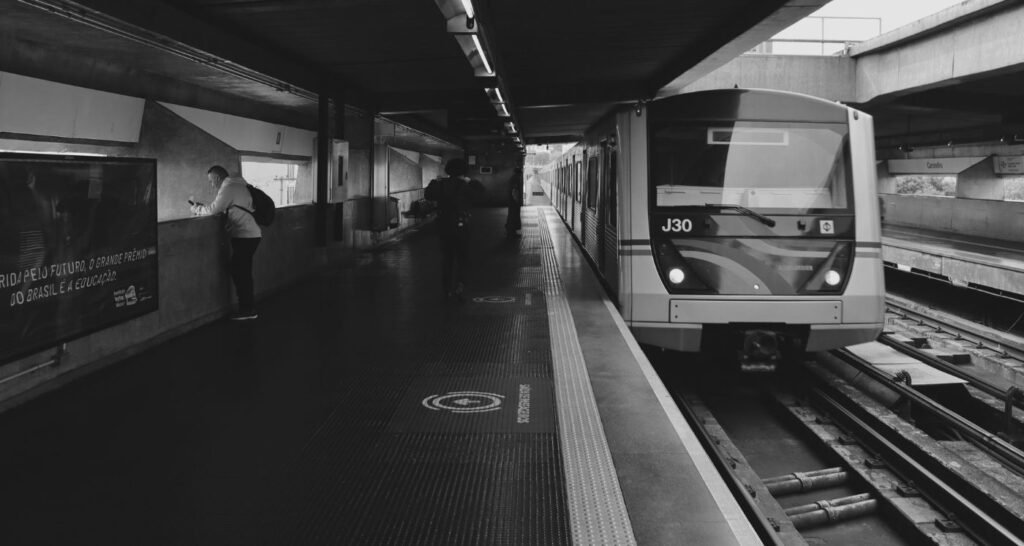
🇧🇷 POR | 🇫🇷 FR | 🇺🇸 EN | 🇪🇸 ES Rio de Janeiro has a more comprehensive public transportation system than most tourists imagine before they arrive. Metro, BRT, VLT, buses, trains, and ferries cover practically the entire city — and by combining two or three modes, you can get from Ipanema to the airport, from Barra to the Historic Center, or from Central do Brasil to Botafogo without needing a car or ride-hailing app for everything. The key is understanding how each mode works, where they intersect, and which situations call for alternatives. This guide covers the city’s transportation options with routes, updated fares for 2026, how to use the RioCard, and practical tips for getting around stress-free. Urban metro station with a train arriving at the platform. | Photo: Kaue Barbier / Pexels Metrô Rio: The Backbone of Transportation in the South Zone Rio’s metro operates three lines that cover the city’s main tourist destinations. The Line 1 (orange) runs from General Osório in Ipanema to Uruguai in the North Zone, passing through Siqueira Campos and Cardeal Arcoverde (the two Copacabana stations), Largo do Machado, Catete, Glória, Central do Brasil, and Maracanã. It’s the line most used by tourists. The Line 2 (green) starts in Botafogo and goes to Pavuna, cutting through São Cristóvão and integrating with Line 1 at Estácio. The Line 4 (yellow) is the newest: it connects General Osório in Ipanema to Jardim Oceânico in Barra da Tijuca. For anyone going from the South Zone to Barra, this line cuts through a stretch that can take 40 minutes in traffic. The metro fare in 2026 is R$ 7.90 per trip, paid with the RioCard card. Tokens or single tickets are no longer available — the card is mandatory. You can buy and top up the RioCard at station ticket booths or authorized points. For those spending just a few days in the city, it’s worth calculating how many trips you’ll take: the balance doesn’t expire if you keep the card. The metro runs from 5 AM to midnight on weekdays and Saturdays, and from 7 AM to midnight on Sundays and holidays. BRT: Express Buses for the West Zone and the Airport The BRT (Bus Rapid Transit) is a network of articulated buses that run on dedicated corridors. In Rio, there are four main corridors in operation: TransOeste: Connects Terminal Alvorada in Barra da Tijuca to Campo Grande, passing through Santa Cruz and Guaratiba. TransCarioca: Connects Galeão International Airport (Tom Jobim) to Terminal Alvorada — this is the most useful line for tourists arriving at Galeão heading to Barra or Recreio. TransOlímpica: Runs the stretch between Alvorada and Deodoro in the North/West Zone. TransBrasil: Runs along Avenida Brasil, from Deodoro to the Novo Rio Bus Station. The BRT fare is R$ 5.00, paid with the RioCard. No cash payments are accepted on board. For those arriving at Galeão heading to Barra da Tijuca, the TransCarioca is the most economical option: board at the airport stop with your RioCard, and in 60 to 80 minutes you’ll be at Alvorada. An Uber from Galeão to Barra costs between R$ 80 and R$ 120 depending on the time — the BRT costs R$ 5.00. Bus interior with passengers — public transit is the most economical option for getting around Rio. | Photo: Kaique Rocha / Pexels VLT: The Best Option in Downtown and the Port Zone The VLT (Light Rail Vehicle) runs through Downtown Rio and the Port Zone, connecting Central do Brasil, Praça Mauá, Santos Dumont Airport, and the Novo Rio Bus Station. For anyone heading to the Museum of Tomorrow, AquaRio, or catching a domestic flight, the VLT is the most practical option within Downtown — modern, punctual, and with good frequency. The fare is R$ 5.00 with the RioCard. Service runs from 5 AM to 11 PM. On weekends, when Downtown is quieter, wait times between vehicles tend to be shorter. Buses: Complete Network, Steeper Learning Curve Rio has over 400 bus lines covering every neighborhood in the city. For tourists, the learning curve is steeper: line numbers aren’t intuitive, and during peak hours, buses can take twice as long as the metro due to traffic. The fare is R$ 5.00 with the RioCard. Some buses still accept cash, but with a surcharge. To use them without hassle, install Moovit before leaving your hotel — it shows lines, stops, and real-time arrival times for Rio de Janeiro. Entering your origin and destination already shows bus, metro, and combined options between the two modes. Buses running along Avenida Nossa Senhora de Copacabana and Avenida Vieira Souto cover the Downtown–Copacabana–Ipanema–Leblon corridor and are widely used by South Zone residents. Within the South Zone, however, the metro is almost always faster than the bus. SuperVia Train: Useful for Maracanã and the North Zone SuperVia is the metropolitan train network that primarily serves the North Zone and the Baixada Fluminense region. For tourists, its main use is getting to Maracanã: the station is two blocks from the stadium and is the safest option on game days when the surrounding area gets very crowded. Fare: R$ 7.60 with the RioCard. It runs from 4 AM to 11 PM on weekdays. Train on a metro station platform — Rio’s metro operates three lines covering the South Zone, Downtown, and Barra da Tijuca. | Photo: Deybson Mallony / Pexels Ferries: The Crossing to Niterói and Paquetá Island CCR’s ferries operate between Praça XV in Downtown Rio and Niterói, Paquetá Island, and other locations in Guanabara Bay. Crossing the bay is itself one of the best experiences in the city — the view of Sugarloaf Mountain, Christ the Redeemer, and the forest-covered hills from the boat deck is unlike any angle on land. Praça XV–Niterói fare: R$ 7.70. Service runs from 6:20 AM to midnight on weekdays. For Paquetá Island, there are specific schedules — check the CCR Barcas website before you go, as times vary on weekends. RioCard: How to Buy and Top Up The RioCard
How Much Does a Trip to Rio de Janeiro Cost: Complete Budget Guide
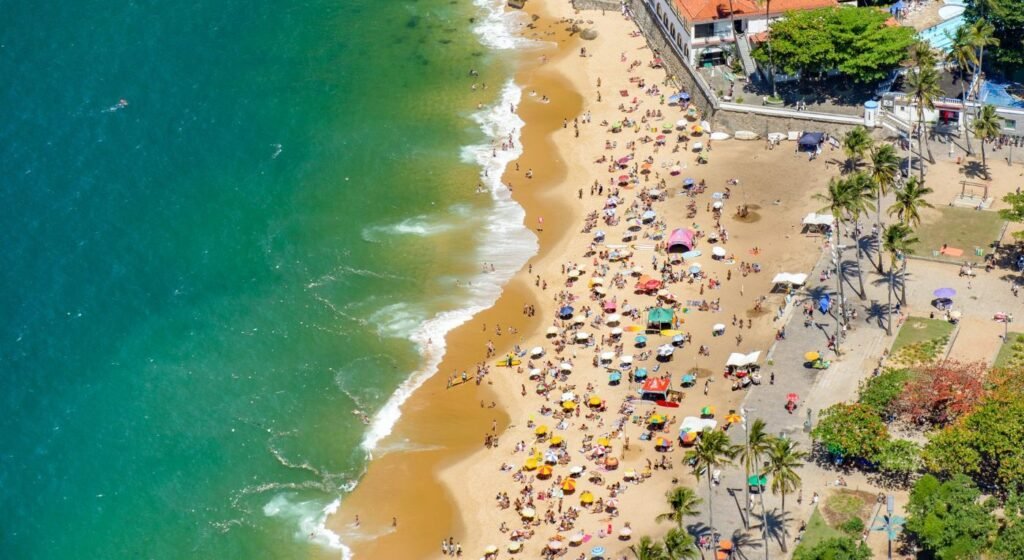
🇧🇷 POR | 🇫🇷 FR | 🇺🇸 EN | 🇪🇸 ES Planning a trip to Rio de Janeiro gets a whole lot easier when you have a realistic idea of what you’ll spend. Costs vary widely depending on the neighborhood you stay in, your eating style, and which attractions make your itinerary — but it’s possible to enjoy the city on very different budgets, from R$200 to over R$1,000 per day. This guide breaks down the main expense categories of a trip to Rio — accommodation, food, transportation, and activities — with 2026 prices, sample budgets for different traveler profiles, and tips to stretch your money without missing out on what the city does best. Aerial view of Ipanema Beach — Rio de Janeiro offers options for different travel budgets. | Photo: Rogerio Rondon / Pexels Accommodation: From Hostels to Luxury Hotels Accommodation is usually the biggest line item in any Rio trip budget. Prices vary quite a bit depending on the neighborhood and type of lodging. In hostels, a bed in a shared dorm runs from R$ 70 to R$ 130 per night. Private rooms in hostels go for around R$ 180 to R$ 280. Copacabana, Ipanema, and Santa Teresa have the best options in this category — Botafogo has also been growing fast with solid alternatives. Budget hotels and inns (one to two stars) charge from R$ 200 to R$ 380 per night for a double room. You’ll find plenty of options in this range in Copacabana. Quality varies a lot — check recent reviews before booking. Mid-range hotels (three stars) run between R$ 380 and R$ 700 per night. In this range, you’ll find well-equipped rooms, breakfast included, and a good location in the South Zone. Luxury hotels — like the ones right on the beach in Copacabana and Ipanema — start around R$ 800 per night and can go up to R$ 3,000 or more during peak demand periods (New Year’s Eve, Carnival, Rock in Rio). Airbnb is another solid option in Rio. Full apartments in neighborhoods like Flamengo, Catete, or Glória go for R$ 180 to R$ 350 per night and offer more space than hotels in the same price range. For stays longer than a week, the discount is usually significant. A practical tip: avoid high-season dates (especially December and January), when prices jump 40 to 100%. Booking two to three months in advance almost always locks in better rates. Food: From R$ 25 to Fancier Meals Eating well in Rio doesn’t have to be expensive — but it’s also easy to overspend if you always end up at oceanfront restaurants. The prato feito (PF) — a set meal — is the most budget-friendly option in any neighborhood: meat or chicken, rice, beans, farofa, and salad for R$ 25 to R$ 45. Local bars and casual restaurants near the historic downtown, in Catete, and Santa Teresa usually have good options in this range. A lunch or dinner at a mid-range restaurant — with table service, a varied menu, and good ambiance — runs around R$ 60 to R$ 120 per person, not including drinks. Neighborhoods like Botafogo and Flamengo offer great food in this range. In Ipanema and Leblon, the same level of service typically costs R$ 90 to R$ 180. Restaurants with ocean views in Copacabana and Ipanema, or the sky bars at luxury hotels, usually charge R$ 150 to R$ 300 per person with drinks — and it’s worth the occasional splurge for a special night out. For breakfast and snacks, Rio’s bakeries are unbeatable: a grilled bread roll with coffee runs around R$ 8 to R$ 15, and a fresh tropical fruit juice goes for R$ 12 to R$ 20. The Globo cookies sold by beach vendors cost R$ 5 to R$ 10 a bag. Meal at a Brazilian restaurant — Rio’s food scene ranges from budget-friendly set meals to elaborate dinners with ocean views. | Photo: Matheus Alves / Pexels Transportation: Metro, BRT, and Uber Public transportation is efficient for most tourist destinations. With the RioCard, the metro fare is R$ 7.90 per ride, while buses, BRT, and the VLT light rail cost R$ 5.00. For those staying in the South Zone and visiting downtown, a budget of R$ 30 to R$ 50 per day covers public transport well. Uber and 99 fill the gaps where the metro doesn’t reach — Santa Teresa, Cosme Velho, parts of the West Zone. A short ride within the South Zone runs R$ 15 to R$ 30; from the airport to the South Zone, R$ 70 to R$ 130 depending on the time of day. If you’re arriving at Galeão International Airport and heading to Barra da Tijuca, the TransCarioca BRT (R$ 5.00) is the most economical option — though it takes between 60 and 80 minutes. For those arriving at Santos Dumont Airport, the VLT connects directly to downtown for R$ 5.00. Important note: For a detailed breakdown of every transport mode in the city — metro lines, BRT, how to use the RioCard, and safety tips — check out our complete Rio de Janeiro transportation guide. Activities: What’s Free and What Costs Rio has a surprising number of free attractions — meaning you can put together an excellent itinerary without spending almost anything on activities, if you know where to go. Free: Parque Lage (free entry, paid café), Aterro do Flamengo, South Zone beaches (Copacabana, Ipanema, Leblon, Recreio), Selarón Steps, most trails in Tijuca National Park, Quinta da Boa Vista, Royal Portuguese Reading Room, Dona Marta Viewpoint. Paid — budget range (R$ 15 to R$ 60): Botanical Garden (~R$ 30), MAM Rio (~R$ 30), Copacabana Fort (~R$ 20), AquaRio (R$ 60 to R$ 80 with half-price entry), Corcovado train + Christ the Redeemer entry (from R$ 70 by van or ~R$ 120 by train). Paid — mid-range (R$ 89 to R$ 205): Sugarloaf Mountain cable car — Brazilians pay from R$ 89 (Carioca Ticket, for Rio residents) to R$ 160 (Promo Brazil Ticket), and foreign tourists around
Rio de Janeiro’s Must-Try Foods: What to Eat in the Marvelous City

🇧🇷 POR | 🇫🇷 FR | 🇺🇸 EN | 🇪🇸 ES Rio de Janeiro is famous for its beaches, samba, and postcard-perfect landscapes. But the city also hides a food scene that goes far beyond the trendy restaurants of Ipanema. On the sidewalks, in neighborhood botecos, at street markets, and on beach kiosks, Rio reveals what it truly is: a city that eats well, without ceremony, with ice-cold draft beer and plenty of conversation. This guide presents the most representative dishes and snacks of Rio de Janeiro’s typical cuisine — from the most famous (feijoada) to the most carioca of them all (the Biscoito Globo that the vendor sells on the sand). Here you’ll discover what to order, where to find it, and why each dish is part of the city’s identity. The carioca feijoada, with all the traditional sides — farofa, sautéed collard greens, orange, and pork rinds. | Photo: José Roberto Oliveira / Pexels The Carioca Table: What the City Eats Every Day Before diving into the most famous dishes, it’s worth understanding the basics of daily carioca life. A typical lunch at a boteco or popular restaurant is straightforward: white rice, black beans, a protein (fried chicken, roast beef, or fish), farofa, sautéed collard greens, and sliced orange on the edge of the plate. Simple, but the combination works. This combo is called a “prato feito” or “PF,” and for less than R$30 you can eat well in any neighborhood outside the touristy South Zone. At public markets and around Central do Brasil, the PF can be even cheaper. Breakfast at the bakery-botecos has its own character: pão na chapa (a French roll split open and pressed on a hot griddle with butter), strong coffee with milk, and if you’re hungry, a coxinha or a bowl of bean soup. It’s quick, eaten standing up, and way more flavorful than the hotel buffet. Biscoito Globo: The Snack Born on the Beach There’s nothing more carioca than the Biscoito Globo. If you’re on Copacabana, Ipanema, or Leblon beach and hear someone shouting “Biscoito Globo, mate gelado!”, you know you’ve truly arrived in Rio. The product has been made since 1953 by Indústria e Comércio de Biscoitos Globo in Bonsucesso. It comes in two versions: salty (the most famous) and sweet. The texture is strange on the first bite — crunchy, airy, slightly chewy — but it quickly becomes addictive. Biscoito Globo isn’t sold in regular supermarkets; only by beach vendors and at a few kiosks around the city. A pack costs around R$6 to R$8 (prices may vary). Pair it with mate gelado — ice-cold, sweetened yerba mate tea sold by the same vendor — and you have the quintessential carioca snack. You can’t replicate this experience anywhere else in Brazil. Carioca Feijoada: Understanding Rio in One Dish Feijoada is a national dish, but Rio has a special relationship with it. The carioca tradition is to eat feijoada on Wednesdays and Saturdays. On those days, practically every boteco, neighborhood restaurant, and samba club puts the big pot on the stove. The carioca version uses black beans and comes with rice, farofa, sautéed collard greens, sliced orange, and pork rinds. The mix of meats is generous: ear, trotter, tail, paio sausage, linguicinha, and carne seca are all part of the classic recipe. Where to eat: Restaurante Aprazível (Santa Teresa) is famous for the full experience, but it’s pricey. For a more authentic and affordable feijoada, the traditional botecos of Leblon are the go-to — Jobi (Avenida Ataulfo de Paiva, 1166) and Bar Bracarense (Rua José Linhares, 85) are two of the most beloved. At both, Saturday feijoada with ice-cold draft beer is practically a religion. Important side note: speaking of Rio’s historic food traditions, it’s worth dedicating a visit to Confeitaria Colombo — the century-old house in Centro that has been operating since 1894 and is a chapter unto itself in carioca culinary culture, with classic sweets and preserved Art Nouveau décor. Bolinho de Bacalhau and the Boteco Culture The bolinho de bacalhau (codfish fritter) is the most ordered snack in Rio’s botecos. Crispy on the outside, soft on the inside, made with shredded cod, potato, and seasonings. It always comes with a little salad of red onion and, of course, a well-pulled draft beer. Its origin is Portuguese — Rio has a strong historical connection with Portugal since colonial times, and cod entered carioca cuisine through that path. Today, the bolinho de bacalhau is as carioca as samba. It appears as an appetizer in restaurants, a snack in botecos, and even at corner snack bars. One of the most famous versions is at Bar Luiz, in Rio’s Centro (Rua da Carioca, 39), open since 1887. The place is one of the oldest in the city and keeps its menu almost unchanged: codfish fritters, linguicinha in wine, and draft beer in German-style glasses. It’s a visit that’s as historical as it is gastronomic. See more information on the Bar Luiz Wikipedia page. The bolinho de bacalhau, a classic snack in Rio’s botecos, served with lime. | Photo: pedro furtado / Pexels Açaí in Rio: Very Different From What You Imagine The açaí you eat in Rio doesn’t have much to do with the original from the Amazon, which is served thick, almost unsweetened, and mixed with fish or shrimp. In Rio, açaí is a dessert: cold, thick, sweetened with guaraná syrup, served in a large bowl, and topped with crunchy granola, sliced banana, condensed milk, and sometimes nuts. It’s a caloric bomb that many people devour after coming out of the sea. The açaí kiosks scattered along Ipanema and Copacabana beaches sell everything from the simple version (açaí with granola and banana, around R$20 to R$35 depending on size) to elaborate combinations with tropical fruits and paçoca. For a more artisanal, less industrialized açaí, look for it at neighborhood organic markets, especially the Botafogo market. There you’ll find producers who work with fresh fruit and fewer additives than the sidewalk franchises. Tapioca, Kibe, and Street
New Year’s Eve in Copacabana 2027: What to Expect at the Turn of the Year
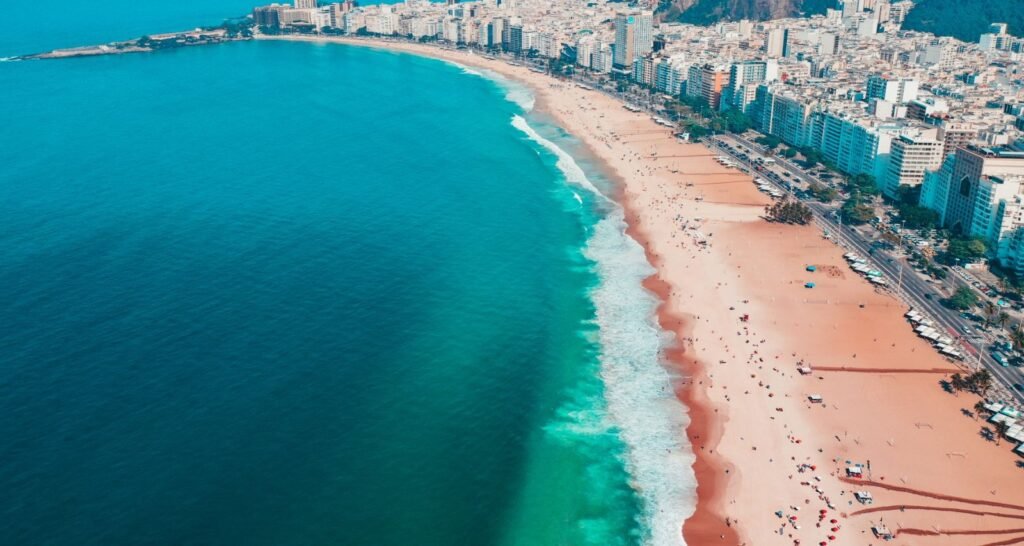
🇧🇷 POR | 🇫🇷 FR | 🇺🇸 EN | 🇪🇸 ES It’s still over a year until the clock strikes midnight on December 31, 2026, but anyone already dreaming of ringing in the New Year on Brazil’s most famous beach knows that planning starts early. Accommodation in Copacabana sells out months in advance, and last-minute bookers end up paying a premium for a room with a view of the fireworks. This guide rounds up what typically goes down at Copacabana’s New Year’s Eve celebration—the fireworks display, the white-clothing tradition, the traffic schemes—so you can plan ahead at your own pace. The official 2027 lineup, including musical acts and the exact number of barges, is usually only released by Rio’s city hall in the final weeks of the year itself. So treat the numbers from recent editions cited here as historical reference, not as confirmation for the next turn of the year. Aerial view of Copacabana’s shoreline, stage for Brazil’s biggest New Year’s party. | Photo: Evandro Kluge / Pexels How Copacabana Became the Go-To New Year’s Spot in Brazil The party that now draws people from all over the world to the four kilometers of sand along the shoreline started out much more low-key. In the 1960s, Umbanda leader Tata Tancredo chose the beach to make offerings to Iemanjá at the turn of the year—a ritual tied to Candomblé and Umbanda that already existed on other Rio beaches. In the following decade, the practice caught on: people with no connection to Afro-Brazilian religions started wearing white too, drawn by the symbolism of peace and renewal the color carries. Today, white dominates the shoreline at the turn of the year—not by requirement, but by a habit that has spanned decades. Street vendors spread white jewelry and clothing through the kiosks in the days leading up to December 31, and it’s common to see entire families matching in the same color for midnight photos. The ritual of offerings to Iemanjá still happens separately from the big party, usually in the early afternoon of the 31st, before the crowd takes over the sand. Practitioners of Candomblé and Umbanda bring flowers, mirrors, combs, and perfumes to the water’s edge in a quiet procession that contrasts with the volume of the party to come. Anyone strolling along the shoreline during the day can still spot these groups organizing their offerings before the bigger movement kicks in. The Fireworks Display: What Usually Happens In recent editions, the pyrotechnic show has been launched from barges anchored along the shoreline. In 2026, for example, there were 19 barges spread between Leme and Posto 6, with about 12 minutes of fireworks synchronized to a soundtrack played on the big screens and speakers on the beach. In recent years, the display has also been joined by drone shows, forming designs in the sky before or after the traditional pyrotechnics. For 2027, the city hall and Riotur haven’t released details yet—that usually only comes out in the final weeks of December of the year itself. What’s pretty much guaranteed is the timing: the fireworks start exactly at midnight, at the moment of the turn, and last between 10 and 15 minutes depending on the edition. The illuminated shoreline on New Year’s Eve night, seen from above. | Photo: K / Pexels Beyond Copacabana, the city hall also organizes simultaneous displays at other points in the city, like Aterro do Flamengo and Penha. Neighborhoods like Barra da Tijuca and Recreio often have parallel displays promoted by hotels and shopping malls—an alternative for those seeking less crowding without leaving Rio. Important note: if the idea of sharing the sand with millions of people isn’t your thing, it’s worth checking out a much more intimate turn of the year by reading our guide to New Year’s Eve on Ilha Grande—there, the party swaps the giant stage for isolated beaches and just a few fireworks visible from the sea. Where to Stay Along the Shoreline for the Best View The stretch between posts 2 and 6 concentrates most of the crowd and stage infrastructure, but it’s also where the crowd gets densest. Those traveling with kids or preferring less squeeze usually lean toward the end near Leme, where you can still see the display well, with far fewer people vying for space. Hotels facing the sea—from around Posto 2 up to larger chain units near Posto 6—sell rooms with a view of the turn of the year many months in advance, and the nightly rate climbs considerably as the date approaches. Booking at least six months ahead is still the safest way to secure accommodation at a reasonable price. Those without a confirmed reservation on the shoreline can look for spots a bit farther out, like the area near Forte de Copacabana or Arpoador, where the view of the central display still appears, though more distant. Movement on Copacabana’s sand—the stretch between posts 2 and 6 is usually the most contested at the turn of the year. | Photo: K / Pexels How to Get There and Back Safely Based on the track record of previous editions, the city hall blocks vehicle traffic on Copacabana’s shoreline from the afternoon of the 31st, opening the road only to pedestrians. That means a private car isn’t a great option for anyone wanting to stay close to the beach—those who’ve been more than once always recommend the same thing: take the subway. The Copacabana stations most used on New Year’s Eve are Cardeal Arcoverde and Siqueira Campos, both on Line 1. In recent years, Rio’s subway has run 24 hours on New Year’s Eve, but the entry lines get huge after midnight. Those who don’t want to face the line for hours usually walk a stretch to more distant stations, like Botafogo, and catch the subway there. Ride-hailing apps also work, but the fare spikes a lot due to demand, and the driver can only drop passengers on streets parallel to the shoreline—getting to the beach itself requires a walk. If you decide
Dois Irmãos Trail: The Best View of Ipanema and Leblon

🇧🇷 POR | 🇫🇷 FR | 🇺🇸 EN | 🇪🇸 ES Two stone peaks rising side by side, the tallest reaching 533 meters, frame the landscape between Ipanema, Leblon, and the Rodrigo de Freitas Lagoon. This is Morro Dois Irmãos (Two Brothers Hill), and the trail to its summit has become one of the most sought-after excursions for visitors to Rio who want a view that costs nothing but the effort of the climb. The access point is through the Vidigal favela, nestled between Leblon and São Conrado. The trail itself is short—just over 1 km of climbing—but the journey there and the precautions you take beforehand make all the difference in the experience. This guide rounds up everything you need to know before you lace up your sneakers. Dois Irmãos Hill as seen from Ipanema Beach—the destination of the trail that starts in Vidigal. | Photo: Vinícius Vieira ft / Pexels How to get to the trailhead The starting point is behind the soccer field at the Vila Olímpica do Vidigal, inside the community itself. The simplest way to get there is to take a mototaxi or a kombi van at the entrance of Vidigal—both charge a small fee for the ride up to the field, significantly cutting down the initial walk. If you’re coming by public transport, get off at the Antero de Quental metro station and take a bus along Avenida Niemeyer to the Vidigal entrance, or catch a bus that covers this stretch directly from Ipanema or Leblon. Taxis and ride-sharing apps will also drop you at the community entrance, where a mototaxi takes over for the rest of the climb. At the Vidigal entrance, the Residents’ Association usually charges a small access fee for the trail, and the mototaxi or van ride to the soccer field is a separate cost. Prices change from time to time, so it’s always a good idea to confirm the current rate with whoever is at the entrance on the day of your visit. The trail: duration, difficulty, and route From the soccer field to the top, it’s about 1.3 km, which takes a little over 30 to 50 minutes of climbing, depending on your fitness level and pace. The overall difficulty is light to moderate—it doesn’t require prior hiking experience, but it’s not a completely flat walk either. The path cuts through a stretch of Atlantic Forest, partly reforested, with shade covering most of the route. At some points, the trail forks; the advice from those who’ve done it is simple: when in doubt, take the more open and well-trodden path, usually the one on the left. After heavy rain, the ground gets slippery, and the climb requires more careful footing. Vidigal, the community where access to the Dois Irmãos trail begins. | Photo: Rcastro creative / Pexels Important tip: before or after the trail, it’s worth getting to know the community where it starts by reading our guide to Vidigal and its viewpoints—bars, inns, and scenic spots that make the climb up there a trip in itself. Why are they called the “Two Brothers”? The name comes from the resemblance between the two rocks, standing side by side almost like twins watching over the sea. Geologically, they are part of the same set of rock outcrops that includes Pedra da Gávea and Sugarloaf Mountain—granite and gneiss formations sculpted over millions of years by erosion, characteristic of Rio’s landscape. Before the urban occupation of the South Zone, the two rocks served as a reference for boats approaching the city from the sea. Today, beyond their scenic value, the vegetation covering the slopes is part of one of the last fragments of original Atlantic Forest still preserved within Rio’s urban perimeter, which reinforces the importance of staying on the marked trail. Is it worth hiring a guide? It’s not mandatory, but hiring an agency or a local guide significantly reduces the risk for anyone who has never done the trail. Companies that operate the tour usually require a safety registration before the climb and provide personal accident insurance during the route—which offers peace of mind for those visiting the city for the first time. Those who prefer to save money and already have experience with urban hikes often go up on their own, without a guide, since the path is well-marked and has plenty of traffic for most of the day. Even so, avoid going completely alone—meeting other people on the climb, whether on your own or in an organized group, is always safer than tackling the trail in isolation. For safety reasons, the hike is usually canceled on days of heavy rain, as the mud makes the path dangerous. If you hire an agency, ask in advance about their rescheduling or refund policy in case of rain. Best time to hike Sunrise is the most sought-after time, and it’s no exaggeration: watching the day break over Ipanema and the lagoon, with the city still quiet below, is unlike any other moment of the day. This means starting the climb while it’s still dark, so arrange your transport to Vidigal in advance if you choose this time. For those who prefer not to get up early, late afternoon is also rewarding, with softer light hitting the city before sunset. Avoid midday: the heat makes the climb much more tiring, especially in the summer months, and the direct light tends to blow out photos from the top. Evening seen from the waterfront, with Dois Irmãos standing out on the horizon. | Photo: Eric Garcia / Pexels The view from the top From the top, the Rodrigo de Freitas Lagoon appears surrounded by the buildings of Leblon and Gávea, with Christ the Redeemer visible in the distance on clear days. On the other side, the sandy strip of São Conrado leads the eye to Pedra da Gávea, with its vertical face facing the sea. Ipanema and Leblon stretch out in a straight line below, separated by the Jardim de Alah canal, while Vidigal occupies the slope between
Tijuca Forest Waterfalls: The Complete Guide
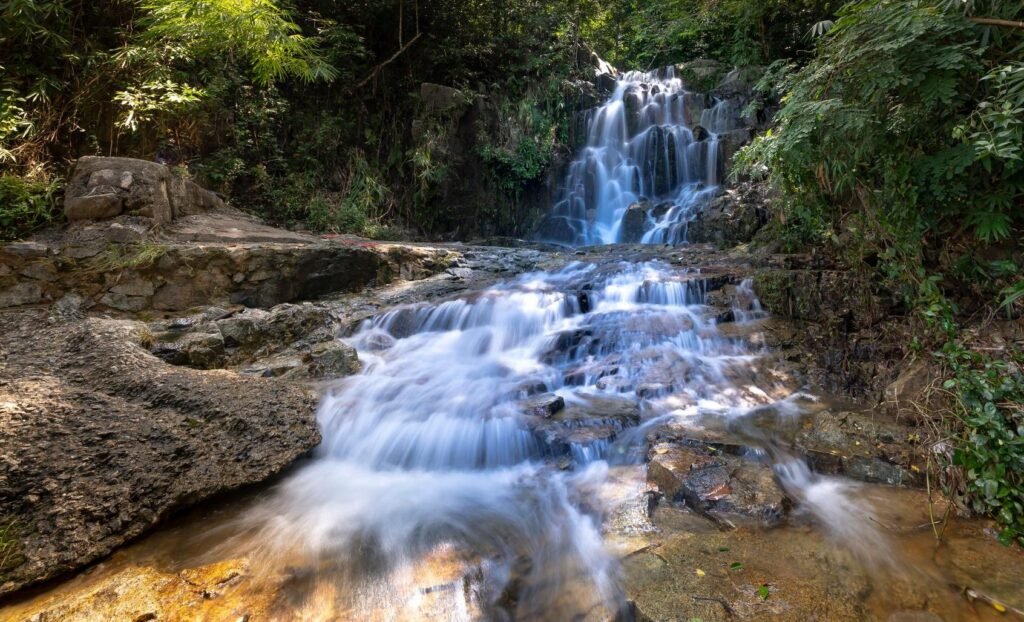
🇧🇷 POR | 🇫🇷 FR | 🇺🇸 EN | 🇪🇸 ES First-timers at Tijuca National Park usually head straight for the viewpoints — Vista Chinesa, Mesa do Imperador, the spots that pop up in every Rio travel photo. The waterfalls often take a backseat in that itinerary, but they hide a side of the forest many people don’t even know exists: running water, smooth rocks, the sound of dense jungle instead of the city traffic down below. The good news is you can visit more than one waterfall on the same trip without tackling a peak hike. Cascatinha Taunay is just a few yards from the main gate. The Job de Alcântara pool is right next to it. And the Horto falls are in a separate section with their own access. This guide shows what each one offers, how to get there, and what to know before you get in the water — because not every waterfall in Tijuca allows swimming. Waterfall in the middle of dense forest — a scene similar to what you’ll find in the Tijuca Forest. | Photo: Quang Nguyen Vinh / Pexels Cascatinha Taunay: The Park’s Tallest Waterfall Cascatinha Taunay stands about 115 feet tall, gathering the waters of the Tijuca River, the Conde River, and other tributaries that flow down the mountain. It’s the tallest waterfall inside Tijuca National Park and also the easiest to visit: it’s near the entrance to the Floresta sector, with no long hike required. The name comes from French painter Nicolas-Antoine Taunay, who settled there in 1817 and built a house nearby. Captivated by the landscape, he painted the waterfall in several canvases and began hosting the imperial court there — he became, in practice, the forest’s unofficial host. The house was demolished in 1946, but the waterfall’s name stuck. In front of the cascade is a stone bridge in the shape of a Roman arch, built in 1860 by engineer Job de Alcântara at the request of the imperial government. It’s one of the most photographed spots in the park, with the water falling in the background and vegetation closing in on both sides. Stone bridge over a stream in the middle of the forest — a shape similar to the arch built in front of Cascatinha Taunay in 1860. | Photo: Stepan Vrany / Pexels A straight-up warning: swimming under Cascatinha Taunay itself is not allowed. The drop is high, and the current forms pools that are too deep for safe bathing. If you want to get in the water, you need to walk a little further to the pool named after the engineer who built the bridge. The Job de Alcântara Pool: Where You Can Actually Swim Right below the Roman arch bridge is the Job de Alcântara pool, a natural swimming hole formed by the waters coming down from Cascatinha. This is where — and only here, in this specific area — swimming is allowed. The water is cold even on the hottest days because it comes straight from the mountain and doesn’t spend enough time in the sun to warm up. The rocks around it get slippery when wet, so sandals with non-slip soles or water-friendly sneakers make a real difference — flip-flops tend to fly off on the first slanted rock. Natural pool formed by a stream in the middle of the forest — a scene similar to the Job de Alcântara pool. | Photo: Mr Alex Photography / Pexels Avoid taking hygiene products into the water. Sunscreen, shampoo, and spray repellent contaminate a freshwater stream that supplies part of the forest’s wildlife. If you’re spending the day, apply sunscreen well before getting in and let it absorb into your skin. The Horto Waterfalls: Quebra and Box In a separate section of the park, in Horto, are two lesser-known falls: Cachoeira do Quebra and Cachoeira Box. The first has a shallow pool, great for those with kids or anyone who prefers to stand without worrying about depth. The second drops about 16 feet and forms a deeper pool, popular with people who like to jump off the rock. The Horto area works as an alternative for those who’ve already visited Cascatinha Taunay on another occasion and want to explore a different corner of the same forest. Access is separate from the Floresta sector — it’s worth confirming the entry point and visiting conditions directly with the park administration before you go, since Horto has its own usage rules and may have restrictions at certain times. Waterfall in the middle of dense vegetation — a vibe similar to the Horto waterfalls in the same forest. | Photo: Mikhail Nilov / Pexels How a Coffee Plantation Became the Forest You Visit Today The detail few visitors know: the Tijuca Forest, which looks untouched, is actually planted. In the 19th century, the area was taken over by coffee plantations, and deforestation ended up compromising Rio de Janeiro’s water supply, which depended on the rivers that originate in the mountains. In 1861, Emperor Dom Pedro II ordered the area to be replanted and put Major Manoel Gomes Archer in charge of the project. Over decades, native seedlings were planted one by one until the forest that now covers the park was restored — including the vegetation that feeds the rivers of the waterfalls you visit at Cascatinha Taunay and Horto. It’s considered one of the first major urban reforestation projects in the world, long before this type of project became common in other cities. Cascatinha Taunay or Horto Waterfalls: Which to Choose First If time is short, Cascatinha Taunay wins for practicality: it’s near the entrance, has the historic bridge for photos, and the Job de Alcântara pool is right next to it for those who want to get in the water. It’s the right choice for anyone combining the waterfall with another park spot on the same day, like Vista Chinesa or Mesa do Imperador. Horto, on the other hand, pays off for those who already know Cascatinha and want a
Maracanã Tour: How It Works, Prices, and Behind the Scenes

🇧🇷 POR | 🇫🇷 FR | 🇺🇸 EN | 🇪🇸 ES The Maracanã receives far more visitors on non-game days than many people realize. For those who can’t get tickets to a match—or simply want to explore the stadium calmly, without fans screaming in their ears—you can walk through the same tunnel that legends like Pelé, Zico, and Romário crossed, sit on the bench, and get up close to the Walk of Fame. This tour is the Maracanã Tour, and it runs every day of the year, including dates without scheduled matches. This guide explains what to expect from the itinerary, how much it costs, how to buy tickets, and what to adjust in your planning if you’re passing through Rio and want to fit the visit into a day full of other activities. Aerial view of the Maracanã, one of the world’s most recognizable stadiums for its circular shape. | Photo: Victor Barbosa / Pexels What the Maracanã tour includes The itinerary passes through areas that the general public never sees on game day. The team locker rooms—prepared before the match and full of stories afterward—are part of the visit, as is the tunnel leading to the field, that narrow corridor where the pressure from the crowd is already felt before stepping onto the grass. The tour also includes the edge of the field, the bench (where coaches make decisions that change the outcome of classics), the trophy room, and the press boxes, renovated in the stadium’s latest renovations. All of this is visited with a guide, in groups, lasting 40 minutes to 1 hour depending on the day. Walk of Fame: the footprints of the idols One of the tour’s highlights is the Walk of Fame, where the footprints of players who made history inside the Maracanã are molded—Pelé and Zico among the names most remembered by the guides. It’s the kind of detail that yields great photos and context: each footprint comes with a plaque explaining the career of the honored player. Empty soccer field, with the grass in focus—a scene similar to what visitors see at the edge of the Maracanã field during the tour. | Photo: Jason Scott / Pexels It’s worth setting aside extra time here, especially if you’re traveling with someone passionate about soccer. It’s common to see people standing for minutes in front of a specific idol’s footprint, reminiscing about old games. Hours, prices, and how to buy tickets The tour runs daily, with visits from 9 AM to 4:30 PM, and the last entry is usually allowed up to that time. On game days, the schedule changes: the last visit ends about 3 hours before the gates open for the match crowd, so check the game calendar before planning your trip. 2026 prices start at R$ 94 for full admission and R$ 47 for half-price (valid for students, seniors, and other categories provided by law). Tickets can be purchased at the Gate A box office or through the official tour website—buying online usually avoids lines and guarantees your desired time, especially on weekends and holidays. Since prices and hours for tourist attractions change frequently, confirm the updated values on the official website before finalizing your day’s itinerary. Tour or game: which to choose (or both) The tour and watching a match are very different experiences. On the tour, you walk freely through spaces that are closed during the game, with time for photos and detailed explanations from the guide. At the match, the excitement comes from the crowd’s chants, the tension of the scoreboard, and an energy that no guided tour can replicate. Crowd with flags during a match at the Maracanã—the energy that the guided tour can’t replicate. | Photo: Andre Dantas / Pexels Those with time and a love for soccer can do both: the tour in the morning on a non-game day, and a match at night on another date of the trip. For those with only one chance, consider your profile—soccer fans wanting to understand the building’s history choose the tour; those wanting to experience the Rio atmosphere of an active crowd choose the game. Maracanãzinho and the surrounding complex Next to the main stadium is the Maracanãzinho, a gymnasium for volleyball, basketball, and other indoor sports, which also hosts shows and smaller events. Those on the tour usually see the gymnasium from the outside without entering—but it’s worth knowing the complex is larger than it appears in aerial photos, and also includes administrative and press areas that support major international events hosted there over the years. The area also concentrates schools and the UFRJ Application College, so on weekdays the surroundings have a lot of student movement in addition to the tour and game crowds—another reason to allow extra travel time during peak hours. The Rio classics that happen inside the Maracanã Flamengo, Fluminense, Vasco, and Botafogo share the stadium as their home on different occasions, making the Maracanã the stage for practically all of Rio’s classics. The Fla-Flu, between Flamengo and Fluminense, is the most traditional and usually fills the stands even in regional competition matches. For those visiting Rio without supporting any of the four, watching a classic is worth the experience just for the atmosphere—lights, smoke from flares in the stands (when allowed), chants that take over the entire stadium. For those who prefer something calmer, without the risk of surprises on a classic day, the guided tour offers a way to explore the same space at a relaxed pace. How to get to the Maracanã The metro is the most practical option: the Maracanã station, on Line 2, leaves visitors just a few minutes’ walk from the main entrance. Several bus lines also serve the area, coming from both Downtown and the South Zone. Those who prefer to go by car or ride-share find parking nearby, but traffic around the stadium gets heavier on game days—for the tour itself, any weekday without a scheduled match tends to be calmer for arriving by car. Important note: before finalizing
Pedra Bonita: Easy Hike, Stunning Viewpoint & Hang Gliding in Rio’s South Zone

🇧🇷 POR | 🇫🇷 FR | 🇺🇸 EN | 🇪🇸 ES Pedra Bonita sits inside Tijuca National Park, on the border between São Conrado and Alto da Boa Vista, and gives you two solid reasons to leave the house: the easy one-kilometer-plus hike to a jaw-dropping viewpoint, and the hang-gliding ramp that launches you soaring over São Conrado. Both are open to the public—the trail is free and rated easy, while tandem flights are done with certified pilots and require zero experience. Visiting costs nothing if you just want to hike to the top. The flight has a price tag (book ahead), but the ride itself averages 10 to 15 minutes of gliding over the coastline. Lots of people combine both in the same morning and still have time for lunch in São Conrado. In this guide, you’ll find how to get there by car and bus, when to go to avoid the crowds, how much time to set aside, what you’ll see from the viewpoint, and how to book your paragliding session without any hassle. How to Get to Pedra Bonita Best Time and Season to Visit How Much Time to Set Aside The Trail: What to Expect Along the Way The Viewpoint and the View Paragliding and Hang Gliding Practical Tips Is It Worth the Visit? Frequently Asked Questions View from Pedra Bonita looking over São Conrado and the ocean. | Photo: Leonardo Marçal / Pexels How to Get to Pedra Bonita The GPS address is Estrada da Pedra Bonita, 1338 — Alto da Boa Vista neighborhood, Rio de Janeiro. If you’re using a navigation app, search for “Rampa de Voo Livre Pedra Bonita” so the pin drops right at the entrance. Heads up: the entrance is on a sharp curve on the opposite side of the road if you’re coming from São Conrado, so slow down early or you’ll blow right past it. By car: The official parking lot has 24 spots and is the most convenient option. On weekends, it’s usually full by 9 a.m. If you arrive later, you’ll end up parking along the shoulder of Estrada das Canoas—it’s common and works fine, but check the signs so you don’t get a ticket. By bus: The closest stop is on Estrada das Canoas in São Conrado. From the stop to the trailhead, it’s about 800 meters on foot along the roadside—no sidewalk, so walk on the opposite side of traffic. Bus lines that pass through São Conrado include the 553 and 554, departing from Ipanema and Leblon. By ride-share: Uber and 99 can drop you right at the entrance without any issues. For the return trip, cell signal inside the forest can be spotty—walk out to Estrada das Canoas before calling a car. Coming from Centro or the North Zone, the fastest route is via Linha Amarela to Barra, then Autoestrada Lagoa-Barra and Estrada das Canoas. Start of the trail on Estrada da Pedra Bonita. | Photo: Filipe Braggio / Pexels Best Time and Season to Visit Pedra Bonita opens at 8 a.m. and closes at 5 p.m.—during some summer periods, hours extend to 6 p.m. The last entry to start the trail is at 4 p.m. Confirm with ICMBio or on the Tijuca National Park website before you go, as hours can change on special dates. Best time of day: Between 8 a.m. and 10 a.m., Monday through Friday. On weekends, arriving at 8 a.m. still guarantees parking and a peaceful trail. After 10 a.m., both the parking lot and the paragliding line get significantly busier. Best season: The trail works well year-round, but the months from April to August tend to have less heavy rain and more pleasant temperatures for hiking. From December to March, summer rains are frequent and quick—and rain grounds the flight ramp. If paragliding is your main reason for visiting, check the specific forecast for the South Zone the day before. One important detail: the flight ramp closes in unfavorable wind conditions, even on rain-free days. If you’re coming specifically for the flight, you need to confirm with the school the day before via WhatsApp—all schools require this contact before confirming your time slot. How Much Time to Set Aside Planning your time well avoids frustration, especially if you want to combine the trail and a flight on the same day. If you’re doing just the trail to the viewpoint: set aside 1.5 to 2 hours total. The climb takes 30 to 40 minutes at a comfortable pace; the descent, 20 to 25 minutes. That still leaves time to hang out at the top, take photos, and watch the launches. If you’re doing trail + tandem flight: set aside at least 3 to 4 hours. The wait at the ramp can reach 1 hour on peak-season weekends. Booking your flight in advance with the school gives you priority on timing and cuts the wait considerably. A solid itinerary: arrive at 8 a.m., hike up and enjoy the viewpoint, return to the starting point by 10:30 a.m., do the flight between 10:30 a.m. and 12 p.m. (you’ll land at Pepino Beach in São Conrado), and grab lunch in São Conrado before the afternoon heat kicks in. The Trail: What to Expect Along the Way The route is just over 1.2 km long—about 2.5 km round trip—and the climb takes between 30 and 40 minutes at a normal pace. The trail starts at the parking lot, follows packed dirt with slightly inclined sections, and near the top, you’ll hit a rocky stretch where you’ll use your hands and the rocks for support. This final section isn’t technically difficult, but if you’re afraid of heights, you might feel uneasy in the last few meters before reaching the viewpoint. There are no railings at every edge point—the rule is simply not to get too close to the more exposed edges. The vegetation in the first 700 meters is dense Atlantic Forest, staying cool even in summer. Near the top, the forest opens up, and the landscape starts to
Ipanema Hippie Fair: Hours, Tips, and What to Buy
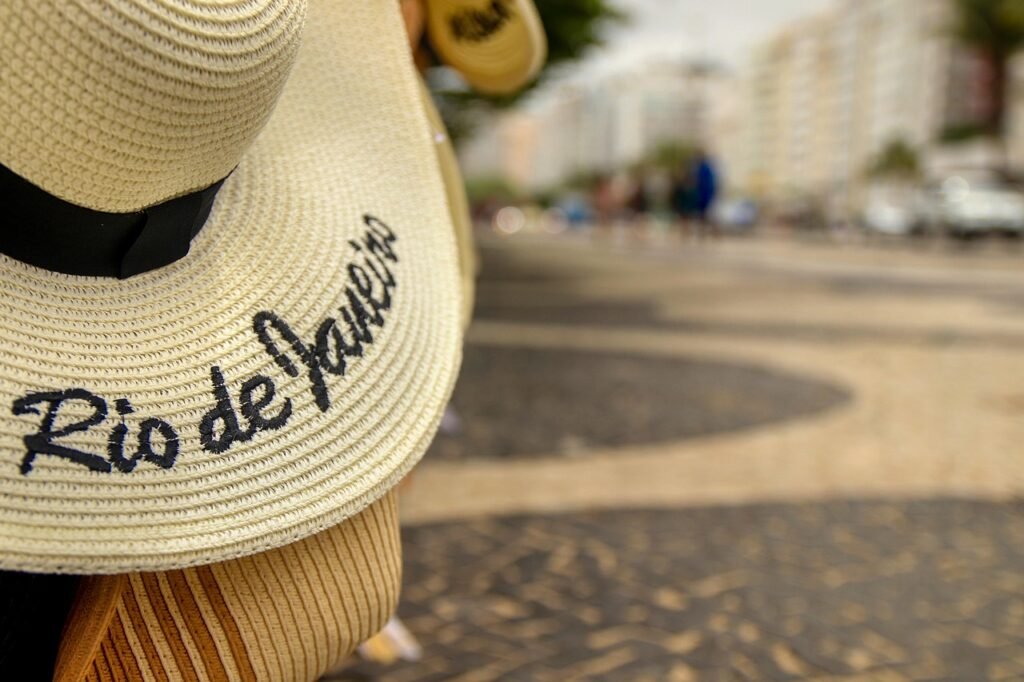
🇧🇷 POR | 🇫🇷 FR | 🇺🇸 EN | 🇪🇸 ES The Hippie Fair That’s Been Charming Rio Since 1968 The Ipanema Hippie Fair is one of the most authentic Sunday traditions in Rio de Janeiro. Every week, Praça General Osório transforms into an open-air gallery with over 600 vendors—artisans, painters, designers, and sellers of one-of-a-kind pieces you won’t find in any mall. It all started back in 1968, when a group of visual artists who hung out at the nearby Jangadeiros bar decided to display their work outdoors. It was the height of Brazil’s military dictatorship, and the square became a space for cultural resistance. The movement caught on, grew, and never stopped. Today, the fair is recognized as an Intangible Heritage Site of the City of Rio de Janeiro—a well-deserved title. Carioca souvenirs and handicrafts at the Ipanema Hippie Fair. | Photo: emersonguimaraes2018 / Pixabay How to Get to the Ipanema Hippie Fair Praça General Osório is in Ipanema, right in the heart of Rio’s South Zone. Getting there is easy: the General Osório metro station (Line 1 – orange) is less than 100 yards from the square—take the elevator up and you’re at the fair. From downtown Rio, it’s about 20 minutes by metro. From Botafogo, just 10 minutes. The metro is definitely your best bet on Sundays. By bus, several lines from the North and South Zones run along Rua Visconde de Pirajá, just one block from the square—lines 474, 572, and others on the South Zone corridor have nearby stops. From Copacabana, it’s about 1.2 miles—you can walk along Rua Francisco Otaviano in 20 minutes, passing by Arpoador. It’s a pleasant and free stroll. By car, parking in the area fills up fast on sunny Sundays; arrive before 9 a.m. or take public transit. Ride-sharing apps work well for getting there; on the way back, it can be harder to find a car at the square during peak hours—walk over to Visconde de Pirajá to call one. Hours and How Much Time to Set Aside The fair runs on Sundays, from 8 a.m. to 7 p.m. Sundays only—there’s no Saturday or weekday version. If you show up at 6 p.m., you’ll find some vendors already packing up. Set aside at least two hours; three if you plan to grab a bite or chat with the artisans. The square has a handful of food stalls, but the surrounding Ipanema neighborhood is packed with cafés and restaurants for every taste—you can easily combine the fair with a lunch in the area. The sweet spot is from 9 a.m. to 12 p.m.: all the stalls are set up, the sun isn’t too harsh yet, and there are fewer people competing for the most popular items. In summer (December to March), the afternoon gets really hot—arrive early or wear sunscreen. Hand-painted ceramic crafts, one of the most common items found at the fair. | Photo: tiemaoanh / Pixabay What to Buy at the Ipanema Hippie Fair Handicrafts and Art This is the fair’s backbone. You’ll find hand-painted ceramics, wood and metal sculptures, paintings of Rio scenes, macramé necklaces, bamboo lamps, and vibrant batik fabrics. Every piece is made by the vendor themselves—no imported, mass-produced goods. That means if you fall in love with something, you’re unlikely to find it anywhere else. For a souvenir of Rio that goes beyond a fridge magnet: an Ipanema watercolor or a small ceramic sculpture runs between R$ 80 and R$ 300, depending on size and the artist—but prices in 2026 vary quite a bit, so negotiate with a smile. Beachwear and Clothing Bikinis, t-shirts, shorts, and beach dresses with exclusive prints are everywhere. Many independent designers use the Hippie Fair as their main showcase—you’ll find pieces that don’t exist in any physical store. Pay attention to the fit: trying things on is always better than guessing the size. Home Decor and Objects Rustic furniture, marquetry pieces, paintings, mirrors with handmade frames, and worked leather goods. The vendors selling furniture and larger paintings usually accept credit cards and offer delivery—including to other states and countries, with insurance. Gastronomy and Spices A smaller section of the fair has flavored olive oils, regional sweets, artisanal jams, and spices. It’s not huge, but it’s worth a stroll. The homemade sweets—guava paste, coconut candy, gourmet brigadeiros—make great gifts and won’t weigh down your luggage. Praça General Osório Beyond the Fair Praça General Osório isn’t just a Sunday destination. During the week, it’s one of the few green spaces in Ipanema where locals bring kids and dogs for a breather in the middle of the neighborhood. It has a playground, shaded benches, and a few century-old trees that give the modern surroundings a different vibe. On Sundays when the fair isn’t happening—which is almost never, since it’s a weekly event—the square usually hosts smaller events, capoeira performances, and music groups. Ipanema has that unique rhythm: lively and calm at the same time, depending on the hour and the day. The location is also strategic if you’re exploring the neighborhood on foot. From Praça General Osório, you can reach Arpoador in under ten minutes (following the shoreline), the Jardim de Alah Canal (the border with Leblon), or the commercial streets of Visconde de Pirajá, packed with cafés, bookstores, and surf and fashion shops. The open-air market vibe—the same atmosphere you’ll find at Praça General Osório on Sundays. | Photo: vandesart / Pixabay Practical Tips to Get It Right Bring cash. Most stalls selling smaller items—necklaces, bikinis, magnets, t-shirts—don’t accept cards. There’s an ATM on Rua Visconde de Pirajá, a two-minute walk away. Withdraw money before you arrive so you don’t waste time. Haggle, but keep it light. The fair has a friendly spirit. Bargaining works, especially if you’re buying more than one item, but aggressive approaches won’t get you far. A simple “any discount for taking two?” usually does the trick. Watch your belongings. Like any busy area in Rio, keep an eye on your bags and phone. Go for a zippered bag worn across