Prainha Beach is tucked away between Recreio dos Bandeirantes and Grumari in Rio’s West Zone, and it’s considered one of the few urban beaches in the world with a Blue Flag certification — the international seal of environmental quality renewed for the 2024/2025 season. The easiest way to get there is by car or ride-share app (about 48 km from downtown, roughly 1h to 1h30 in normal traffic); if you’re taking public transport, hop on the BRT Transoeste to Recreio Shopping and then a van to the end of the line. Entry to the Prainha Municipal Natural Park is free, and the few kiosks charge around R$ 20 to R$ 40 for a light meal (approximate 2025 prices — confirm on-site before you go). But it’s in the details — the wave that breaks only here, the trail that climbs the rocky headland, the absence of any building in whatever angle you photograph — that Prainha sets itself apart from everything you’ve ever seen in Rio.
How to get to Prainha
“Can you go without a car?” You can — but it takes patience and planning.
Dica: Aproveite também para fazer estes passeios no Rio de Janeiro
Cristo Redentor de trem e tour pelo Rio de janeiro. Duração: 4 horas
Passeio grátis pelo centro histórico do Rio e Lapa. Duração: 3 horas
Free tour pelo bairro de Santa Teresa. Duração: 2h 30m
Amanhecer no mirante de Dona Marta + Cristo Redentor Duração: 4 horas
Veja todos os passeios e tranfers no Rio de Janeiro
By car or ride-share app is the most comfortable option. Leaving from Barra da Tijuca, head along Avenida das Américas toward Recreio, pass Recreio Shopping, continue on Estrada dos Bandeirantes and then Estrada da Prainha, which winds along the headland to the parking lot. The total distance from downtown is about 48 km; allow 1h to 1h30 depending on the time of day. Parking inside the Natural Park is paid (prices subject to change — check with Rio’s City Hall before you go) and spaces are limited. On sunny summer days or holidays, the Municipal Guard closes access when capacity is reached, so arrive before 9 am to guarantee entry. By app (Uber, 99), the ride from Barra runs around R$ 30 to R$ 50.
By public transport — take the BRT Transoeste from Terminal Alvorada (Barra da Tijuca) or any station along the line to the Recreio Shopping stop. From there, vans and alternative buses run along Estrada dos Bandeirantes to Prainha — ask the drivers about the destination, as routes vary. The full trip to the beach gate takes between 1h30 and 2h from downtown.
By subway, the line doesn’t reach the West Zone. The closest connection point is General Osório Station (Ipanema/Line 1), from where you catch a bus to Barra da Tijuca and then the BRT.
By taxi or app from the South Zone: the ride from Leblon runs around R$ 60 to R$ 90 (2025 estimate — confirm on the app). It’s worth combining a ride-share there and a van back to save money.
Best time, best hour, and how long to stay
Prainha works year-round, but the experience changes a lot depending on when you go.
Summer (December to March) — bigger waves, guaranteed sun, and the beach is more crowded. If you want to surf or watch amateur competitions, this is the period. The downside: car access can be blocked on peak days, and the headland trail gets packed on weekends.
Fall and winter (April to August) — the beach is quieter, the sea calmer on some days, and Rio has mild winters (averages of 22°C). The afternoon light hits the rocks of the headland differently, and anyone taking photos will come away with images that are quite distinct from summer shots.
Regardless of the season, arrive before 9 am. After 11 am on weekends and holidays, the parking lot is already full and access to the beach gets congested. If you get there early, you’ll have the sea almost to yourself for the first hour.
As for time: set aside a full day. The combination of beach, headland trail (round trip in 40 minutes), and lunch at the kiosk fills the day easily. If you’re combining it with Grumari, two days are ideal — or one day leaving very early.
What to see and do at Prainha
Prainha is about 700 meters long and flanked by hills covered in Atlantic Forest. There are no buildings, no condos, no newsstands. What you see — from any point on the sand — is sea, rock, and vegetation. That’s not tourist hype: it’s the reason the Ministry of the Environment protects the area within the Municipal Natural Park.
Besides swimming (with caution — currents can be strong), you can:
- North headland trail: a short climb over the rocks to a lookout with a view of the entire cove. On clear days you can see the profile of Grumari on the other side. Wear sneakers — flip-flops slip on wet rock.
- Watch the surf: even non-surfers stand and watch. The wave breaks consistently and allows maneuvers that other Rio beaches don’t offer.
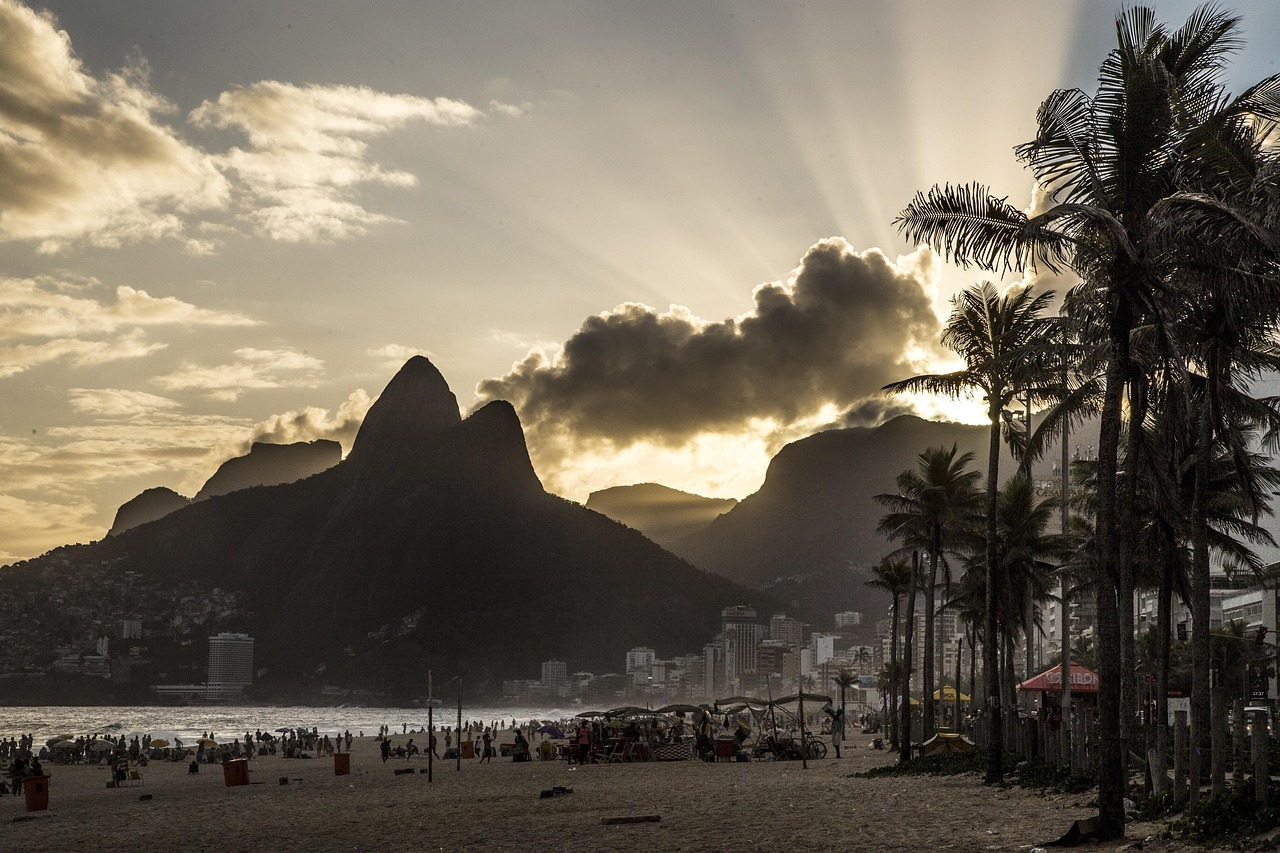
- Photograph the sunset: the sun sets on the left side of the beach, painting the hills orange — unlike any sunset in Copacabana or Ipanema.
The surfers’ beach: why Prainha is different

Rio’s surfers know what Prainha is, just like climbers know what Corcovado is. The beach receives south swells that, when they hit the rocky bottom of the cove, gain shape and power. The result is a wave that can reach 2 meters on strong swell days, with good sections for cutbacks and aerials.
The annual Prainha surf competition draws athletes from all over the state. If you go during a competition, you’ll find sponsor tents, live broadcasts, and spectators on the headland rocks. Check the calendar at Surf Total before planning your trip.
For those who want to learn or are at a beginner level: Prainha is not the ideal spot. The sea can be tricky for anyone without experience reading waves. Prefer Arpoador Beach or Recreio for lessons.
Prainha Municipal Natural Park
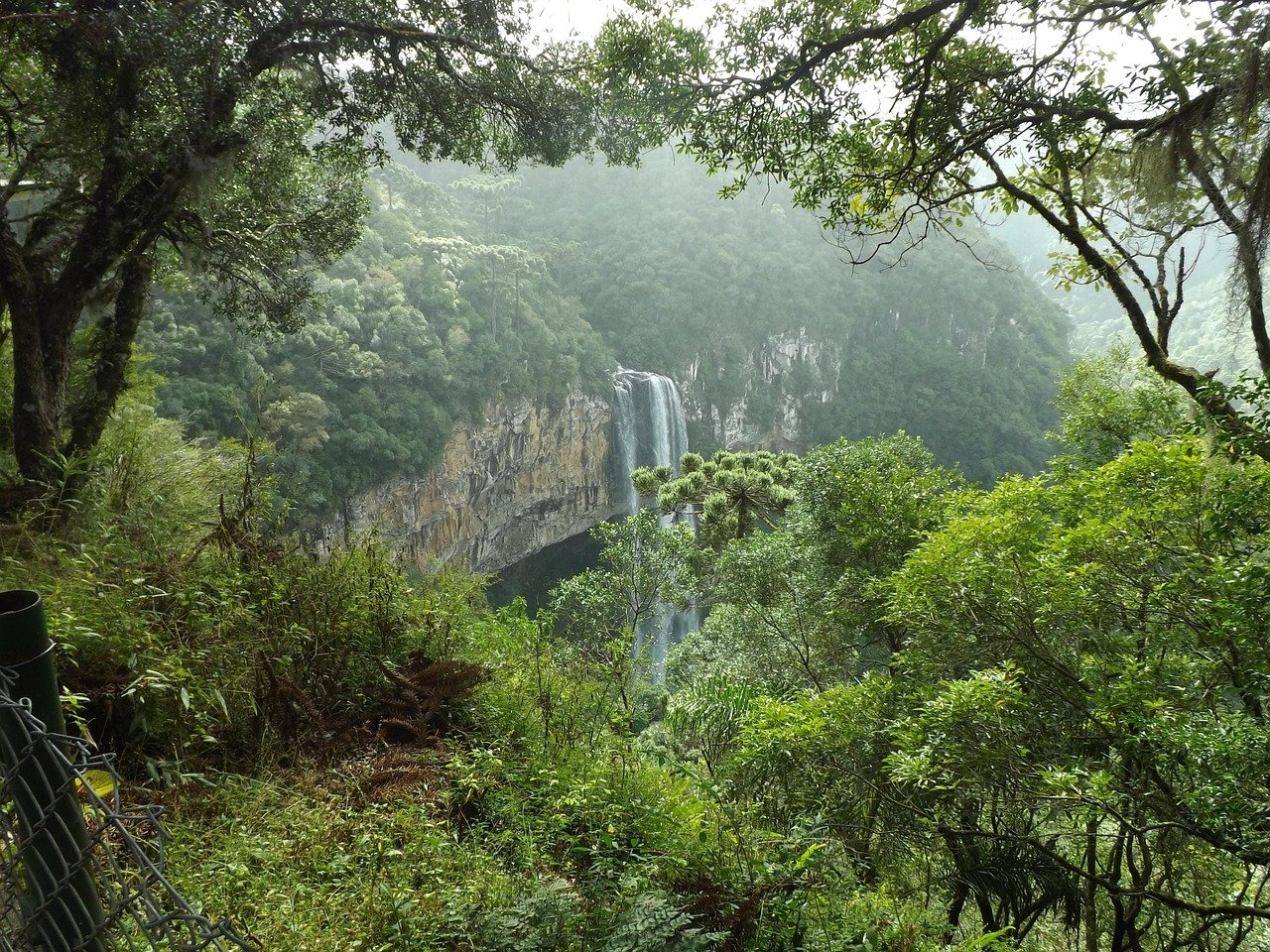
Prainha is managed as a Municipal Natural Park, and the Blue Flag certification — held since 2012 and renewed for the 2024/2025 season — imposes 33 criteria that management must meet: water quality, environmental education, signage, safety, and management. In Rio, only three beaches carry this seal: Prainha, Grumari, and Reserva.
Inside the park, no private construction is allowed. So, unlike almost the entire Rio coastline, you won’t see apartments, hotels, or walls. The Atlantic Forest vegetation starts a few meters from the sand and climbs the hills without interruption — the kind of landscape that in Rio usually only exists in old photos.
The infrastructure is intentionally simple: kiosks, restrooms, showers, exercise equipment, surfboard racks, and controlled parking. Nothing more — and that’s exactly what sets Prainha apart from any other beach in the city.
What to combine on the same day
Prainha’s location, between Recreio and Grumari, lets you fit in stops before or after your swim.
Grumari Beach (5 km further, West Zone): Prainha’s immediate neighbor, Grumari is even wilder — no fixed kiosks, with more golden sand and blue-green sea. For those going by car, it’s a ten-minute detour and feels like another world. It also has Blue Flag certification.
Recreio dos Bandeirantes (10 km before): if Prainha is crowded or the sea is too rough, Recreio has a long beach with more infrastructure — stalls, kiosks, and a boardwalk. It’s between Prainha and Barra, so you can include it as a Plan B on the way back.
Barra da Tijuca: on the way back, Barra is a natural stop for lunch or dinner. The area has restaurants of all kinds — from self-service to Japanese — and a shopping mall if you need anything before heading home. If you want to learn more about Barra before you go, check out the complete Barra da Tijuca guide, with tips on beaches, restaurants, and how to get around the area without a car.
Where to eat nearby
Inside the park, there are kiosks serving snacks, juices, coconut water, and simple meals — the typical menu includes fried fish, grilled chicken, and french fry portions. Prices are reasonable for a beach with this appeal (R$ 20 to R$ 50 per dish, approximate 2025 values — confirm on-site). Quality varies: order whatever is fresh that day.
For a more elaborate meal, head back to Recreio or Barra da Tijuca — Estrada dos Bandeirantes and Avenida Lúcio Costa have pizza, seafood, and casual cuisine. And bring water in your bag: the sun in the West Zone is harsh, and the nearest market isn’t close.
Practical tips and our take

It’s worth it for: anyone who wants a Rio beach without the crowds and noise of the South Zone; has an interest in surfing or wants to photograph natural landscapes; enjoys a light hike; is willing to face the traffic or alternative transport as part of the adventure.
Maybe not for you if: you prefer a beach with lots of infrastructure (rental stalls, table-service kiosks, constant lifeguards); you’re traveling with very young children and need easy access; you don’t have the mobility for the steep parking lot or the rocky trail.
Common mistakes to avoid:
- Going on a holiday without leaving early — access closes and you’ll head back without seeing the sea.
- Not bringing enough sunscreen. The beach is open, and the reflection off the headland increases exposure.
- Going into the sea on red flag days. The currents at Prainha are strong, and lifeguards aren’t always positioned when danger strikes.
- Parking outside the park and walking along the road — the lane is narrow and has no sidewalk.
Frequently asked questions about Prainha Beach
- Is Prainha Beach paid?
- Entry to the beach is free. Parking inside the Natural Park is charged (price subject to change — confirm before you go), but there is no fee to access the sand or the trail.
- Is it possible to go to Prainha by public transport?
- Yes, but it requires a transfer. Take the BRT Transoeste to Recreio Shopping and from there a van or alternative bus to Prainha. The trip from downtown takes between 1h30 and 2h. Confirm the routes at the station before boarding, as schedules and lines can vary.
- What is the best time to surf at Prainha?
- Summer (December to March) concentrates the biggest swells and local competitions. Winter offers smaller but more regular waves. For beginners, Prainha is not recommended at any time — the sea is for intermediate and advanced levels.
- Are there lifeguards at Prainha?
- The Fire Department maintains lifeguard stations on the beach, but coverage can vary outside of summer and on weekdays. Respect the signal flags and never go in alone on rough sea days.
- Can I bring my dog to Prainha Beach?
- The beach is within an environmental protection area. The presence of domestic animals is restricted to preserve local wildlife. Check with the park administration before going with your pet — rules may change depending on enforcement.
Is it worth it? The straight answer
Prainha Beach requires effort to get to — and it’s precisely that effort that protects it. Those who go there find what Rio has that’s rarest: clean sea with Blue Flag certification, Atlantic Forest coming down to the sand, and the (relative) silence of a beach that wasn’t handed over to real estate development. If you’re spending more than three days in Rio and can handle the road or the BRT, go. Bring water, leave before 9 am, and bring a camera — but also take some time without it.
To plan the rest of your visit to the West Zone, check out the Barra da Tijuca guide, which covers beaches, dining, and how to get around the area without a car.