The Maracanã receives far more visitors on non-game days than many people realize. For those who can’t get tickets to a match—or simply want to explore the stadium calmly, without fans screaming in their ears—you can walk through the same tunnel that legends like Pelé, Zico, and Romário crossed, sit on the bench, and get up close to the Walk of Fame. This tour is the Maracanã Tour, and it runs every day of the year, including dates without scheduled matches.
This guide explains what to expect from the itinerary, how much it costs, how to buy tickets, and what to adjust in your planning if you’re passing through Rio and want to fit the visit into a day full of other activities.
Dica: Aproveite também para fazer estes passeios no Rio de Janeiro
Cristo Redentor de trem e tour pelo Rio de janeiro. Duração: 4 horas
Passeio grátis pelo centro histórico do Rio e Lapa. Duração: 3 horas
Free tour pelo bairro de Santa Teresa. Duração: 2h 30m
Amanhecer no mirante de Dona Marta + Cristo Redentor Duração: 4 horas
Veja todos os passeios e tranfers no Rio de Janeiro
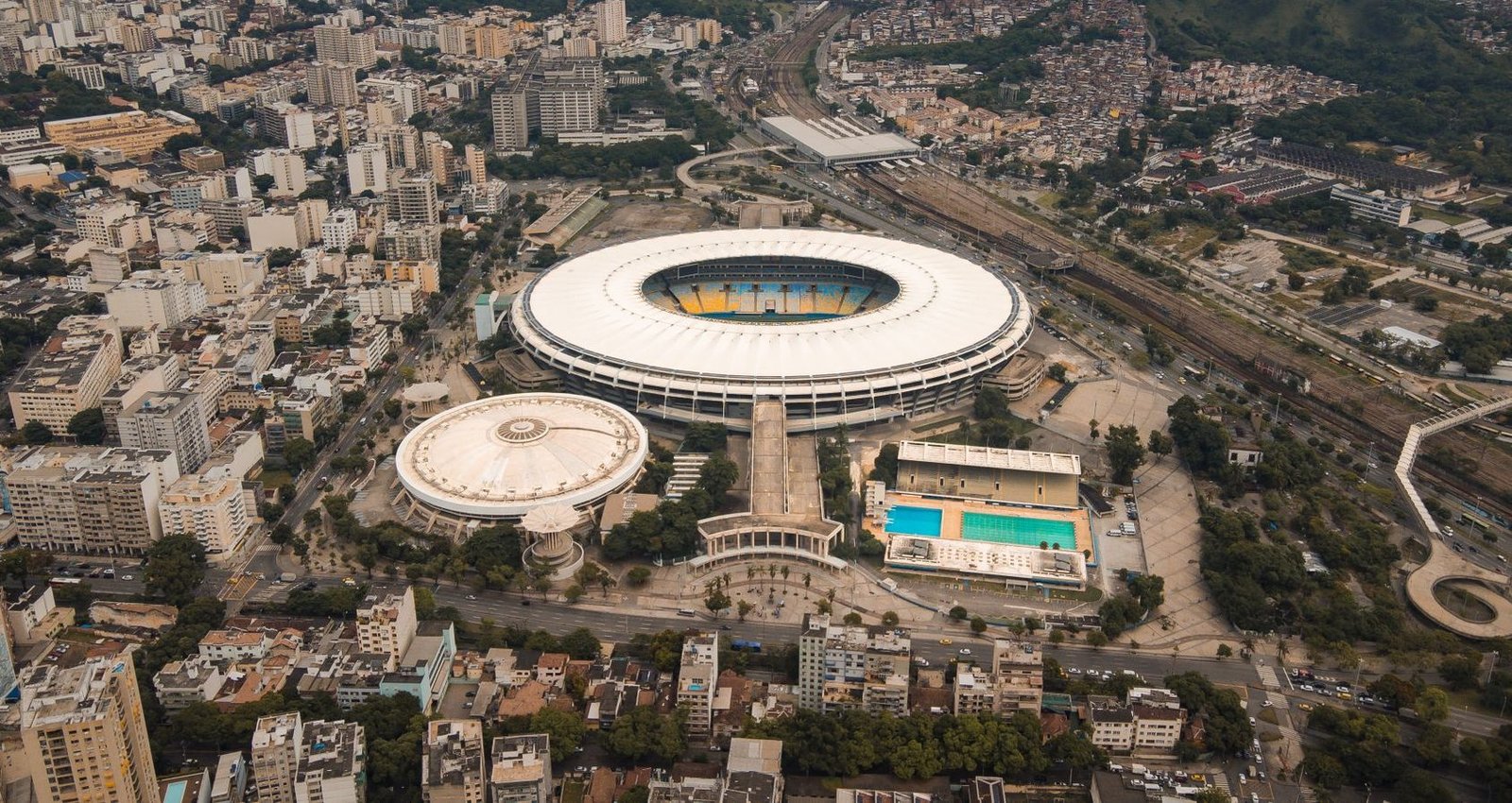
What the Maracanã tour includes
The itinerary passes through areas that the general public never sees on game day. The team locker rooms—prepared before the match and full of stories afterward—are part of the visit, as is the tunnel leading to the field, that narrow corridor where the pressure from the crowd is already felt before stepping onto the grass.
The tour also includes the edge of the field, the bench (where coaches make decisions that change the outcome of classics), the trophy room, and the press boxes, renovated in the stadium’s latest renovations. All of this is visited with a guide, in groups, lasting 40 minutes to 1 hour depending on the day.
Walk of Fame: the footprints of the idols
One of the tour’s highlights is the Walk of Fame, where the footprints of players who made history inside the Maracanã are molded—Pelé and Zico among the names most remembered by the guides. It’s the kind of detail that yields great photos and context: each footprint comes with a plaque explaining the career of the honored player.
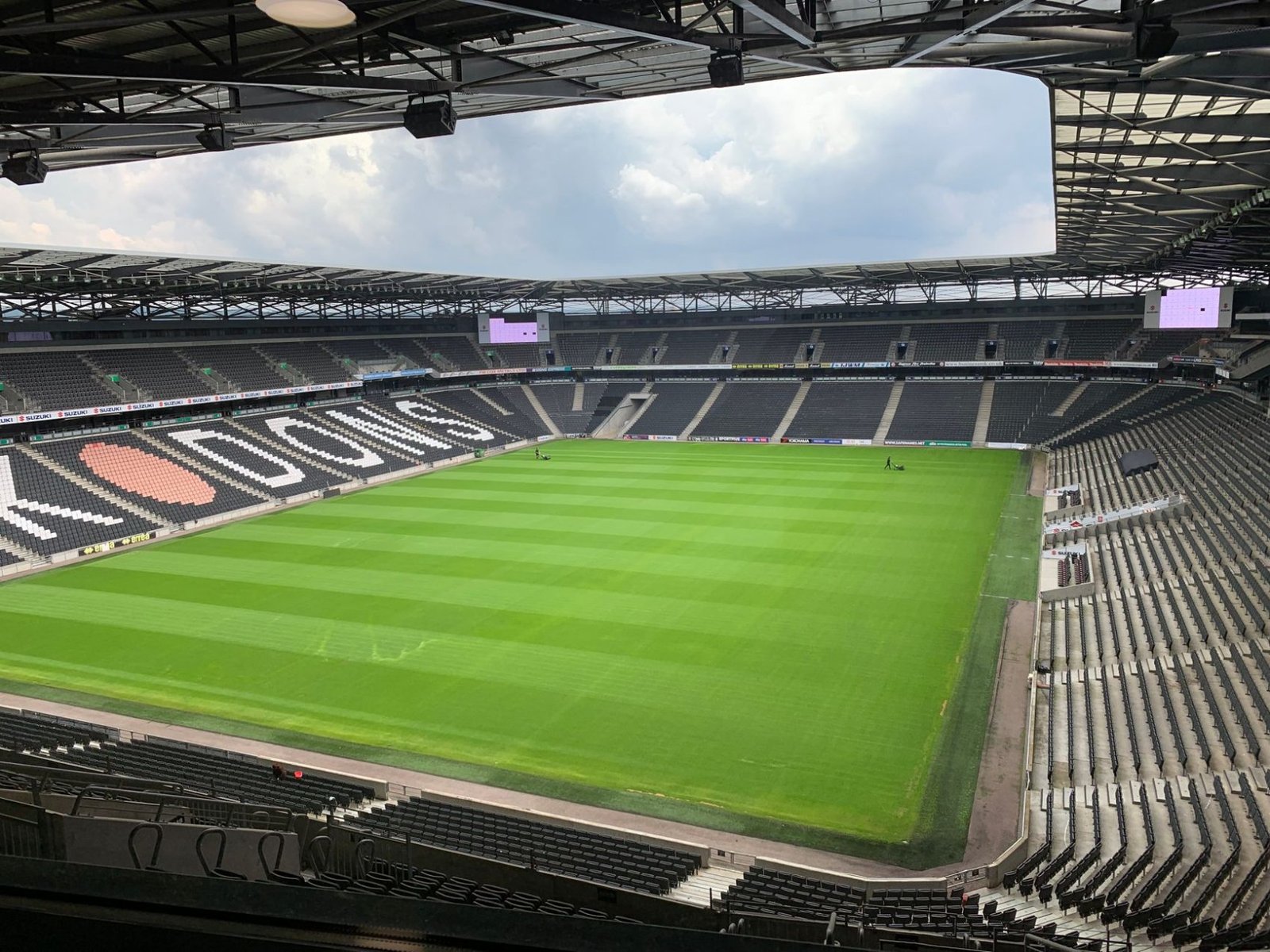
It’s worth setting aside extra time here, especially if you’re traveling with someone passionate about soccer. It’s common to see people standing for minutes in front of a specific idol’s footprint, reminiscing about old games.
Hours, prices, and how to buy tickets
The tour runs daily, with visits from 9 AM to 4:30 PM, and the last entry is usually allowed up to that time. On game days, the schedule changes: the last visit ends about 3 hours before the gates open for the match crowd, so check the game calendar before planning your trip.
2026 prices start at R$ 94 for full admission and R$ 47 for half-price (valid for students, seniors, and other categories provided by law). Tickets can be purchased at the Gate A box office or through the official tour website—buying online usually avoids lines and guarantees your desired time, especially on weekends and holidays. Since prices and hours for tourist attractions change frequently, confirm the updated values on the official website before finalizing your day’s itinerary.
Tour or game: which to choose (or both)
The tour and watching a match are very different experiences. On the tour, you walk freely through spaces that are closed during the game, with time for photos and detailed explanations from the guide. At the match, the excitement comes from the crowd’s chants, the tension of the scoreboard, and an energy that no guided tour can replicate.
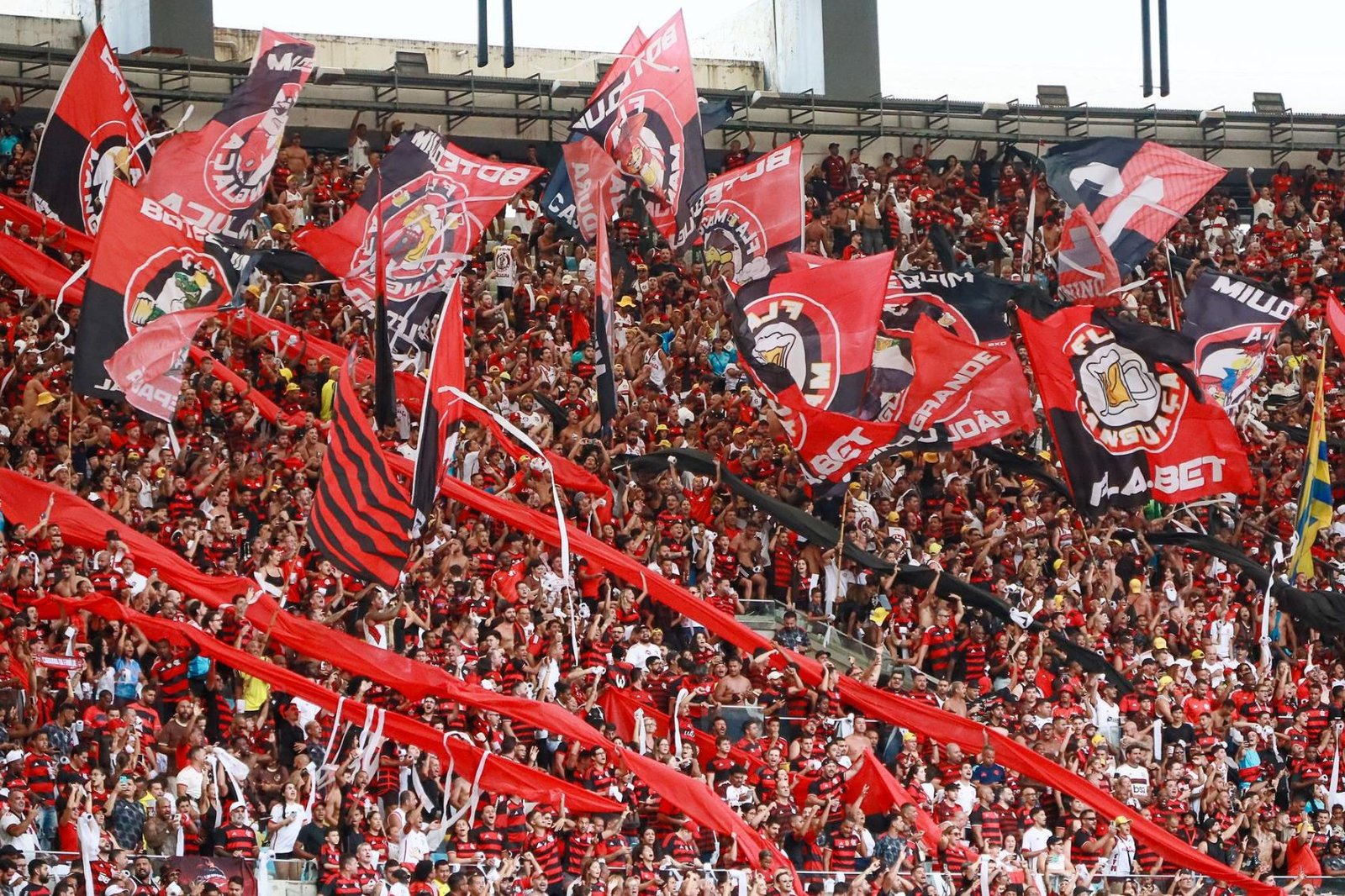
Those with time and a love for soccer can do both: the tour in the morning on a non-game day, and a match at night on another date of the trip. For those with only one chance, consider your profile—soccer fans wanting to understand the building’s history choose the tour; those wanting to experience the Rio atmosphere of an active crowd choose the game.
Maracanãzinho and the surrounding complex
Next to the main stadium is the Maracanãzinho, a gymnasium for volleyball, basketball, and other indoor sports, which also hosts shows and smaller events. Those on the tour usually see the gymnasium from the outside without entering—but it’s worth knowing the complex is larger than it appears in aerial photos, and also includes administrative and press areas that support major international events hosted there over the years.
The area also concentrates schools and the UFRJ Application College, so on weekdays the surroundings have a lot of student movement in addition to the tour and game crowds—another reason to allow extra travel time during peak hours.
The Rio classics that happen inside the Maracanã
Flamengo, Fluminense, Vasco, and Botafogo share the stadium as their home on different occasions, making the Maracanã the stage for practically all of Rio’s classics. The Fla-Flu, between Flamengo and Fluminense, is the most traditional and usually fills the stands even in regional competition matches.
For those visiting Rio without supporting any of the four, watching a classic is worth the experience just for the atmosphere—lights, smoke from flares in the stands (when allowed), chants that take over the entire stadium. For those who prefer something calmer, without the risk of surprises on a classic day, the guided tour offers a way to explore the same space at a relaxed pace.
How to get to the Maracanã
The metro is the most practical option: the Maracanã station, on Line 2, leaves visitors just a few minutes’ walk from the main entrance. Several bus lines also serve the area, coming from both Downtown and the South Zone.
Those who prefer to go by car or ride-share find parking nearby, but traffic around the stadium gets heavier on game days—for the tour itself, any weekday without a scheduled match tends to be calmer for arriving by car.
A bit of the history you relive during the tour
The Maracanã was built for the 1950 World Cup and once received around 200,000 spectators at its inauguration—a number that would be unthinkable for any stadium in the world today. The first major match there was precisely the final of that World Cup, between Brazil and Uruguay, a game etched in the country’s memory.
Decades later, the stadium underwent deep renovations to host the 2014 World Cup and the 2016 Olympic Games, gaining the more compact and modern structure visitors find today, with a much smaller capacity than the original but a much safer and more comfortable setup. This contrast between the Maracanã of 1950 and today’s is part of what guides share during the walk through the historic areas.

Where the name Maracanã comes from
The popular name comes from the Maracanã River, which runs through the region and also gives its name to the neighboring neighborhood. Maracanã, in the indigenous language, refers to a type of parrot that was abundant in the area before urbanization. The stadium’s official name, however, is Estádio Jornalista Mário Filho, in honor of the journalist who championed the construction of a large stadium in Rio to host the 1950 World Cup—but it’s the popular name that stuck and became known worldwide.
Interestingly, many Cariocas themselves are unaware of the official name and use “Maracanã” in daily life without associating it with the original tribute. Tour guides usually mention this curiosity at the start of the tour, before entering the stadium’s internal areas.
Practical tips for making the most of your visit
- Arrive early: groups leave at fixed times, and being late might mean waiting for the next one.
- Wear comfortable shoes—the itinerary includes walking on ramps, stairs, and sections of grass.
- Combine the tour with another nearby activity, like Quinta da Boa Vista, since both are in the North Zone.
- On very sunny days, bring water and sunscreen—a good part of the route is outdoors.
- Those going with children should let the guide know: some sections have stairs that require extra attention.
Frequently asked questions about the Maracanã tour
Does the tour ticket grant access to other nearby attractions?
Not directly—the ticket only covers the guided itinerary through the stadium. Nearby spots, like Quinta da Boa Vista, have their own entry and hours, separate from the tour.
Is it necessary to book in advance?
It’s not mandatory, but booking online guarantees your desired time and avoids lines at the Gate A box office, especially on weekends.
Does the tour happen on game days?
Yes, but with reduced hours—the last visit ends about 3 hours before the gates open for the match crowd.
Do children pay full price?
There are half-price categories and discounts according to current legislation; check the updated rules on the official tour website before purchasing.
Is the stadium accessible for wheelchair users?
The Maracanã has adapted facilities and guide support for visitors with reduced mobility during the tour.
How long does the visit last?
Between 40 minutes and 1 hour, depending on the group size and the pace set with the guide.
Does the tour also go through Maracanãzinho?
No. The guided itinerary is focused on the main stadium; Maracanãzinho is not part of the standard tour.
Can you go directly from the airport to the Maracanã?
Yes, from both Santos Dumont and Galeão airports, you can get there by taxi, ride-share, or by combining the metro with a bus segment—the trip varies from 25 to 50 minutes depending on traffic and starting point.
Is it worth it for someone who doesn’t like soccer?
Yes, for the most part. The historical and architectural value of the Maracanã also attracts those who don’t closely follow the sport—the stadium’s scale and the stories told by the guide work as a cultural tour, not just a sports one.
For those putting together a Rio itinerary, the Maracanã tour fits well into a free morning, before heading to another spot in the North Zone or returning to the South Zone in the afternoon. It’s one of those tours that seems quick on paper but usually yields much more conversation—and photos—than the visitor imagined before stepping through the players’ tunnel.