It’s still over a year until the clock strikes midnight on December 31, 2026, but anyone already dreaming of ringing in the New Year on Brazil’s most famous beach knows that planning starts early. Accommodation in Copacabana sells out months in advance, and last-minute bookers end up paying a premium for a room with a view of the fireworks.
This guide rounds up what typically goes down at Copacabana’s New Year’s Eve celebration—the fireworks display, the white-clothing tradition, the traffic schemes—so you can plan ahead at your own pace. The official 2027 lineup, including musical acts and the exact number of barges, is usually only released by Rio’s city hall in the final weeks of the year itself. So treat the numbers from recent editions cited here as historical reference, not as confirmation for the next turn of the year.
Dica: Aproveite também para fazer estes passeios no Rio de Janeiro
Cristo Redentor de trem e tour pelo Rio de janeiro. Duração: 4 horas
Passeio grátis pelo centro histórico do Rio e Lapa. Duração: 3 horas
Free tour pelo bairro de Santa Teresa. Duração: 2h 30m
Amanhecer no mirante de Dona Marta + Cristo Redentor Duração: 4 horas
Veja todos os passeios e tranfers no Rio de Janeiro
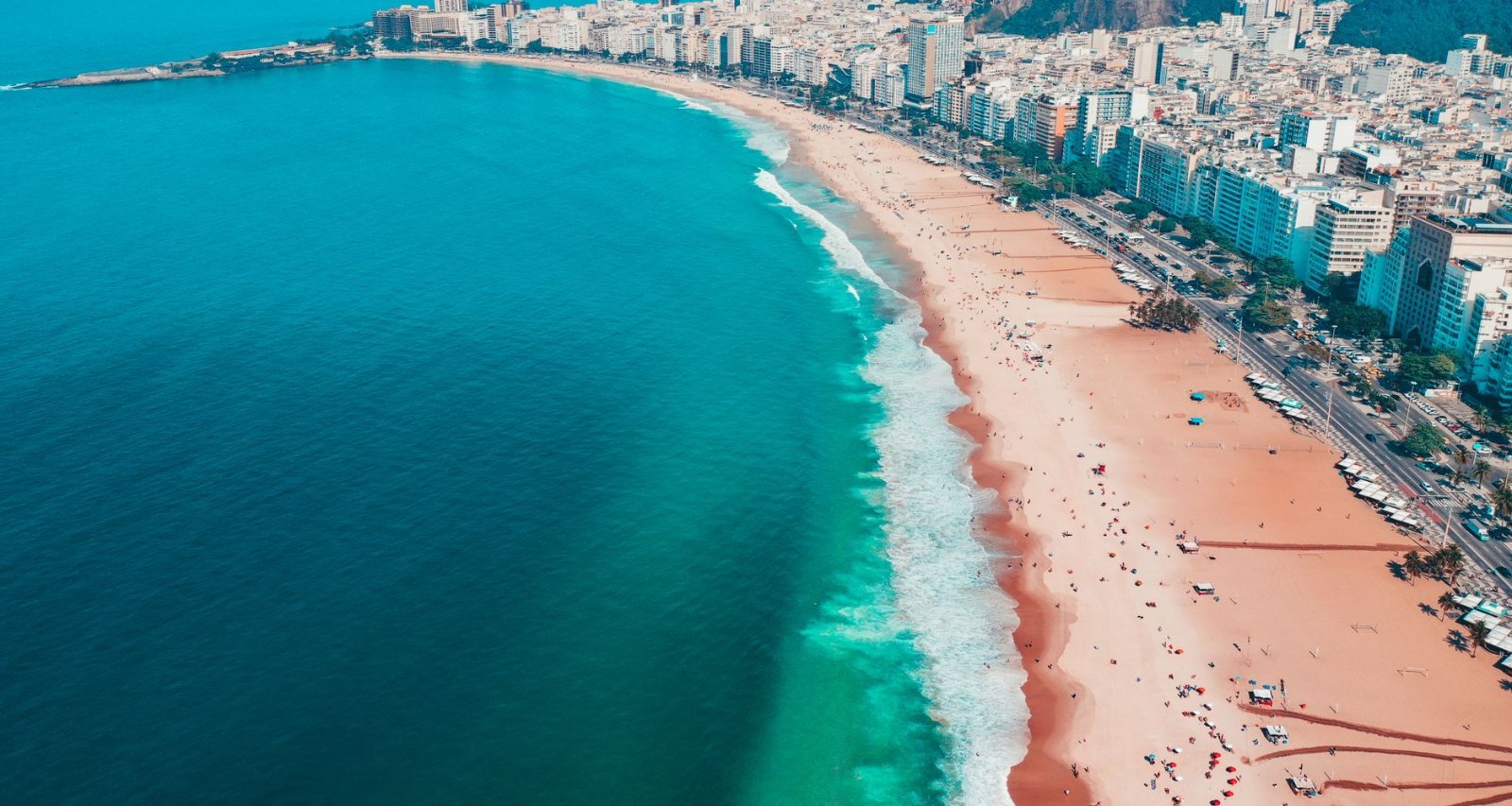
How Copacabana Became the Go-To New Year’s Spot in Brazil
The party that now draws people from all over the world to the four kilometers of sand along the shoreline started out much more low-key. In the 1960s, Umbanda leader Tata Tancredo chose the beach to make offerings to Iemanjá at the turn of the year—a ritual tied to Candomblé and Umbanda that already existed on other Rio beaches. In the following decade, the practice caught on: people with no connection to Afro-Brazilian religions started wearing white too, drawn by the symbolism of peace and renewal the color carries.
Today, white dominates the shoreline at the turn of the year—not by requirement, but by a habit that has spanned decades. Street vendors spread white jewelry and clothing through the kiosks in the days leading up to December 31, and it’s common to see entire families matching in the same color for midnight photos.
The ritual of offerings to Iemanjá still happens separately from the big party, usually in the early afternoon of the 31st, before the crowd takes over the sand. Practitioners of Candomblé and Umbanda bring flowers, mirrors, combs, and perfumes to the water’s edge in a quiet procession that contrasts with the volume of the party to come. Anyone strolling along the shoreline during the day can still spot these groups organizing their offerings before the bigger movement kicks in.
The Fireworks Display: What Usually Happens
In recent editions, the pyrotechnic show has been launched from barges anchored along the shoreline. In 2026, for example, there were 19 barges spread between Leme and Posto 6, with about 12 minutes of fireworks synchronized to a soundtrack played on the big screens and speakers on the beach. In recent years, the display has also been joined by drone shows, forming designs in the sky before or after the traditional pyrotechnics.
For 2027, the city hall and Riotur haven’t released details yet—that usually only comes out in the final weeks of December of the year itself. What’s pretty much guaranteed is the timing: the fireworks start exactly at midnight, at the moment of the turn, and last between 10 and 15 minutes depending on the edition.
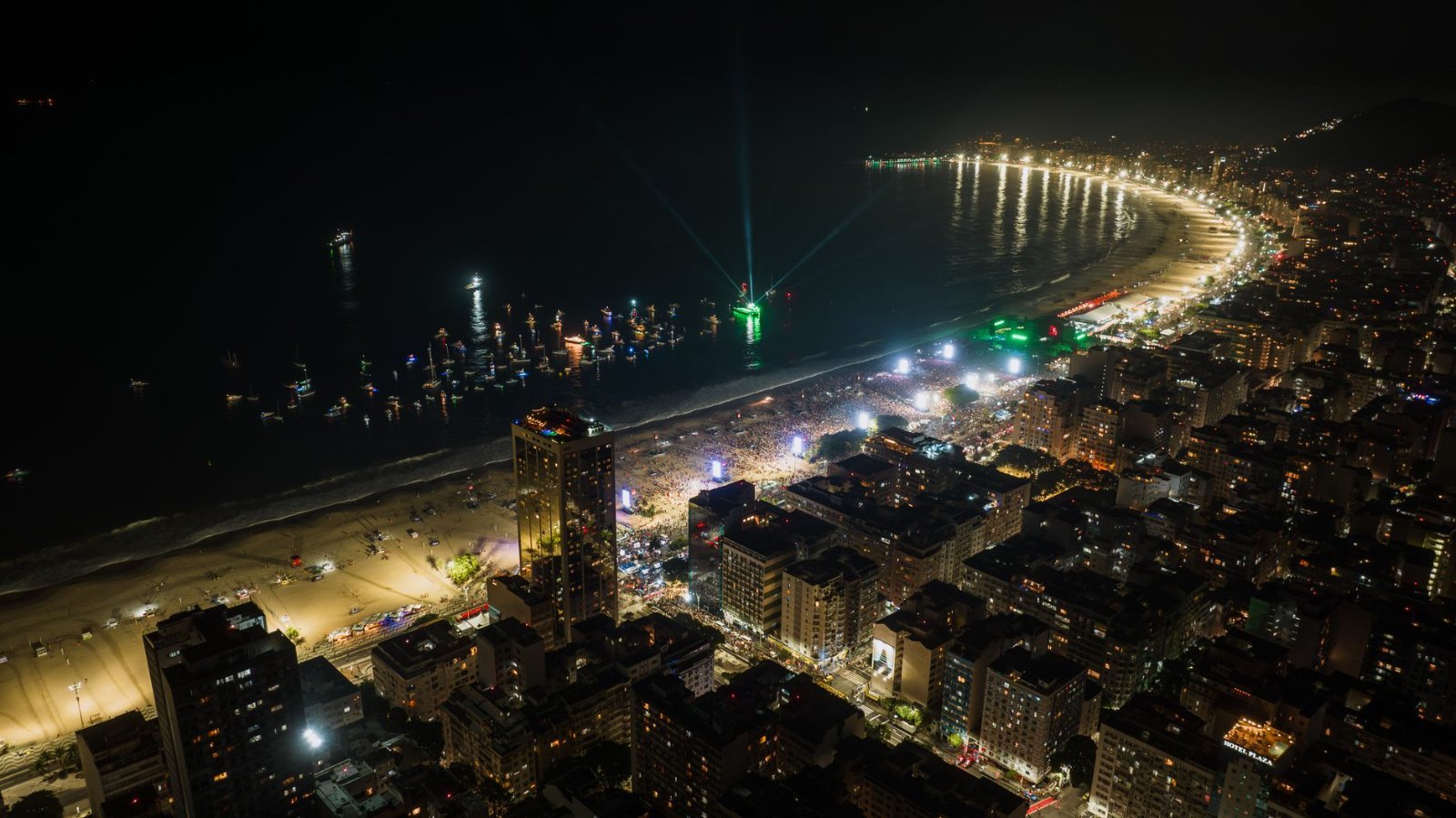
Beyond Copacabana, the city hall also organizes simultaneous displays at other points in the city, like Aterro do Flamengo and Penha. Neighborhoods like Barra da Tijuca and Recreio often have parallel displays promoted by hotels and shopping malls—an alternative for those seeking less crowding without leaving Rio.
Where to Stay Along the Shoreline for the Best View
The stretch between posts 2 and 6 concentrates most of the crowd and stage infrastructure, but it’s also where the crowd gets densest. Those traveling with kids or preferring less squeeze usually lean toward the end near Leme, where you can still see the display well, with far fewer people vying for space.
Hotels facing the sea—from around Posto 2 up to larger chain units near Posto 6—sell rooms with a view of the turn of the year many months in advance, and the nightly rate climbs considerably as the date approaches. Booking at least six months ahead is still the safest way to secure accommodation at a reasonable price.
Those without a confirmed reservation on the shoreline can look for spots a bit farther out, like the area near Forte de Copacabana or Arpoador, where the view of the central display still appears, though more distant.
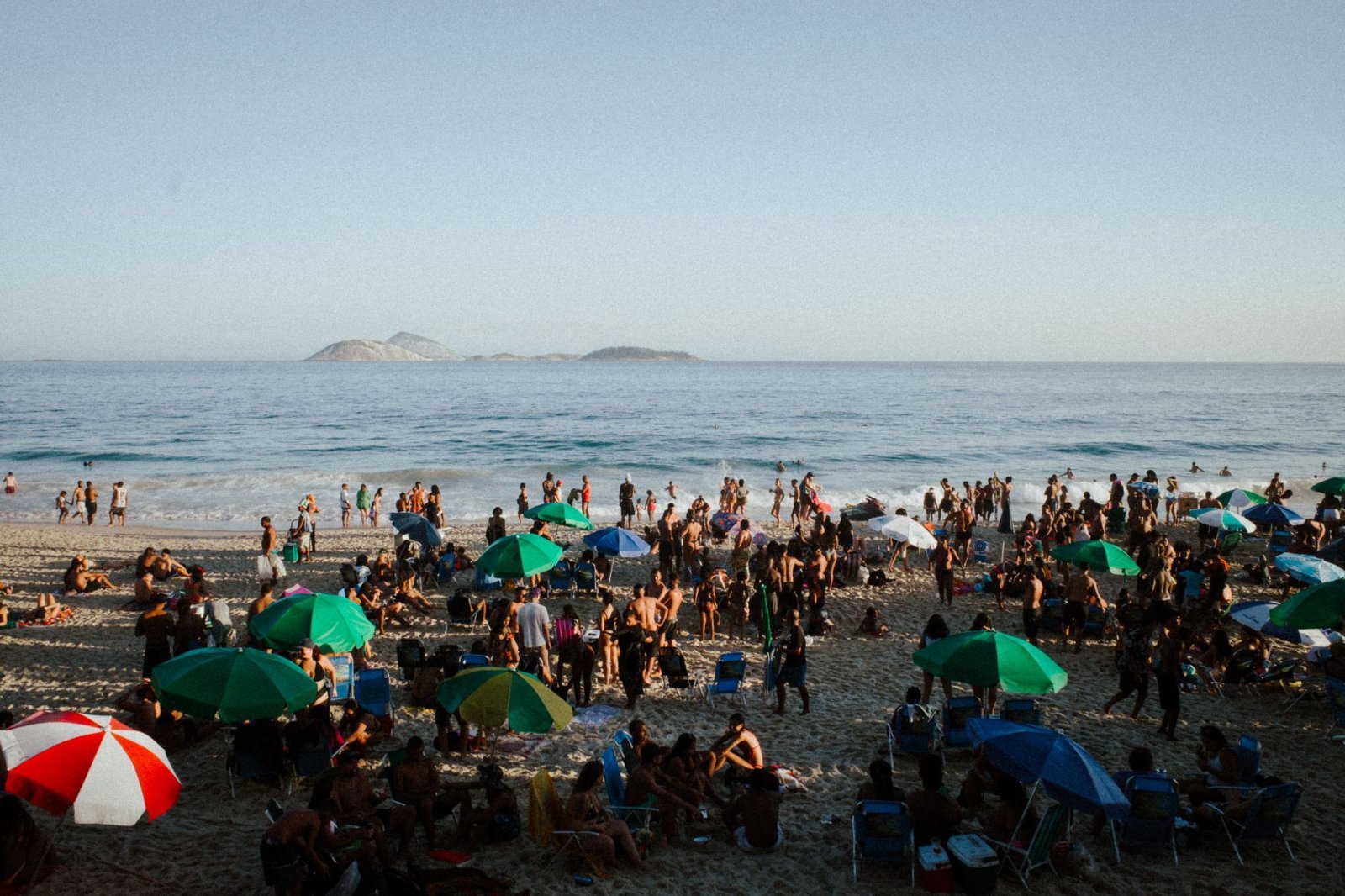
How to Get There and Back Safely
Based on the track record of previous editions, the city hall blocks vehicle traffic on Copacabana’s shoreline from the afternoon of the 31st, opening the road only to pedestrians. That means a private car isn’t a great option for anyone wanting to stay close to the beach—those who’ve been more than once always recommend the same thing: take the subway.
The Copacabana stations most used on New Year’s Eve are Cardeal Arcoverde and Siqueira Campos, both on Line 1. In recent years, Rio’s subway has run 24 hours on New Year’s Eve, but the entry lines get huge after midnight. Those who don’t want to face the line for hours usually walk a stretch to more distant stations, like Botafogo, and catch the subway there.
Ride-hailing apps also work, but the fare spikes a lot due to demand, and the driver can only drop passengers on streets parallel to the shoreline—getting to the beach itself requires a walk. If you decide to walk back to a more distant point to catch a ride, agree on that meeting point with your group before midnight, because cell signal tends to get spotty with so many people concentrated in the same area.
Practical Tips for Enjoying the Turn of the Year Stress-Free
Bring as little as possible. Large backpacks, jewelry, and anything you don’t want to lose sight of make the night harder—locals always recommend taking only the essentials in a small crossbody bag or pouch.
Arrive early if you want a specific spot on the sand. From early afternoon on the 31st, it’s already possible to spread a towel and wait. After 9 PM, finding free space near the water gets much tougher.
Stay hydrated and eat something before midnight. The kiosks along the shoreline sell water, soda, and snacks, but prices go up quite a bit during the event and the lines take forever. Bringing a water bottle already helps avoid spending more than necessary.
Set a fixed meeting point with whoever you’re with, preferably a place that’s easy to describe and spot—near a numbered kiosk or a lifeguard station, for example. With the crowd and possible cell signal instability, getting separated from the group at the turn of the year is more common than you’d think.
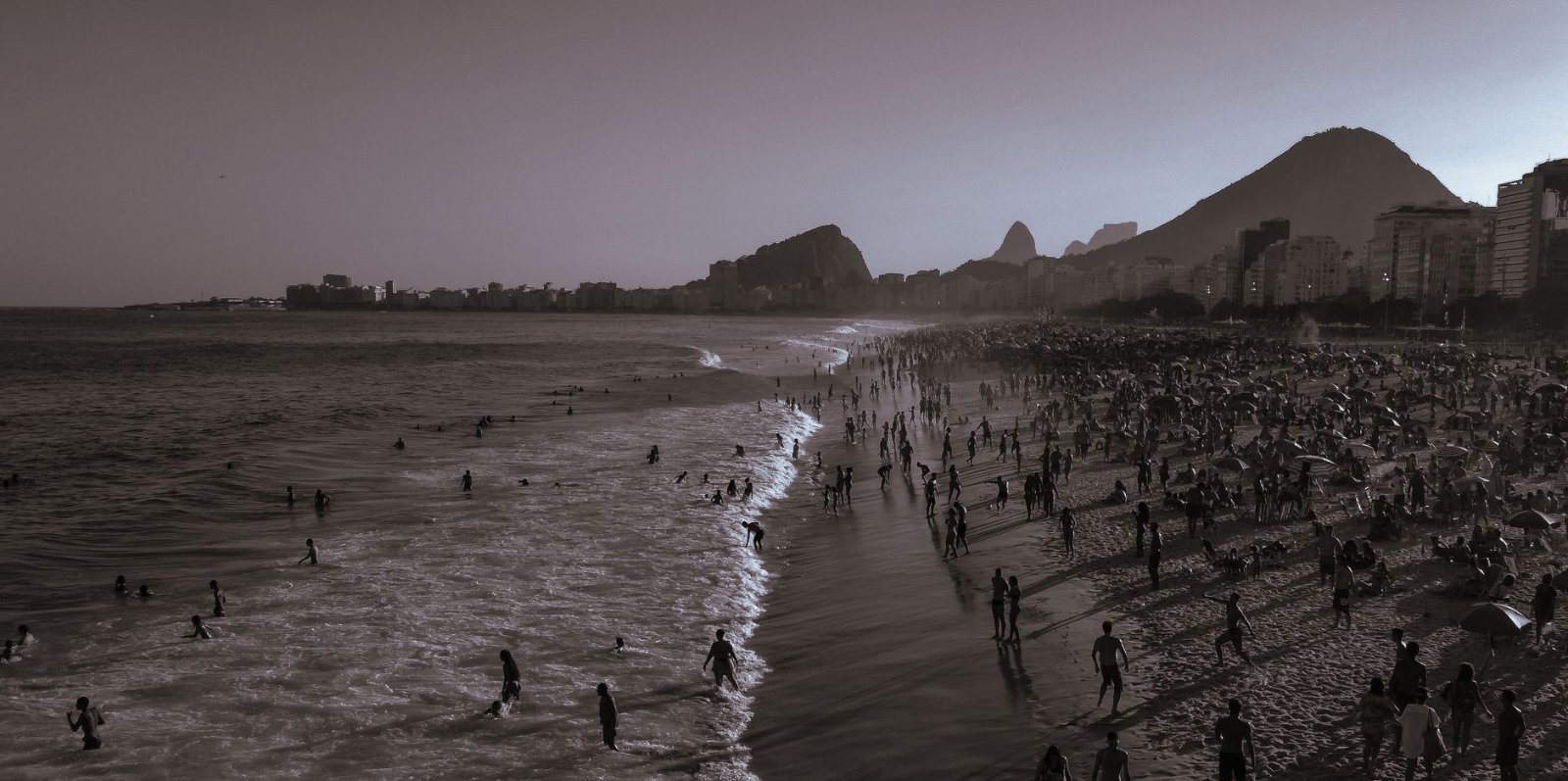
Copacabana or Another South Zone Beach?
Copacabana isn’t the only New Year’s option in the city, and it’s worth understanding the differences before deciding where to stay. Aterro do Flamengo, for example, draws a smaller crowd and usually has a more family-friendly vibe, with green space around that helps you move without the typical squeeze of Copacabana’s shoreline. Beaches like Ipanema and Leblon don’t host an official fireworks display on the same scale, so those who live or stay there usually head to Copacabana or watch smaller displays put on by hotels and buildings in the neighborhood.
For anyone in the city for work or passing through with little time to decide, Copacabana is still the safest bet: it’s where the city hall’s official infrastructure is biggest, the signage is clearest, and the amount of public transport running through the early morning hours is greater than at any other point on Rio’s shoreline.
What to Wear and What to Pack in Your Bag
Beyond the traditional white, the heat of late December in Rio calls for light clothes and breathable fabrics—the air tends to get heavy with so many people packed into the same area, even at night. Sturdy sandals or flip-flops help more than closed shoes, since a good part of the night is spent standing on the sand.
Sunscreen goes on the list for anyone arriving in the afternoon, before the sun loses its strength. A light jacket makes a difference for those planning to stay past midnight—the sea breeze cools things down quite a bit as the early morning hours roll in. Carrying a little cash, separate from your card, also helps: most kiosks accept contactless payments, but lines and internet instability during peak times make physical cash a useful backup plan.
Is It Worth Going More Than Once?
Anyone who’s already lived through a New Year’s Eve in Copacabana usually says the same thing: the first time impresses with its scale, but it’s only by repeating it that you learn to truly enjoy it. Knowing where to stay, what time to arrive, and how to leave avoids a lot of the stress that catches first-timers without planning.
Another option, for those who’ve already seen the turn of the year on the central stretch and want something different in 2027, is to try less obvious spots along the same shoreline, like the Leme end or the area near Forte de Copacabana, keeping the tradition but swapping the densest crowd for a bit more space.
What to Do During the Day on the 31st Before the Party Starts
December 31 in Copacabana isn’t just about waiting for midnight. In the morning and early afternoon, the beach still functions almost normally—you can swim, have lunch at one of the restaurants along the shoreline, and enjoy the heat without the chaos that forms from late afternoon on. Many locals take advantage of this window to hit the beach calmly before heading home, changing clothes, and only then joining the crowd.
Anyone wanting to avoid the biggest possible squeeze can also visit South Zone attractions that morning, like Ipanema Beach, then return to Copacabana in the late afternoon, when the sand strip starts organizing for the party. Restaurants and bars near the shoreline tend to fill up fast in the early evening—booking a table in advance, if the plan is to have dinner before the turn of the year, keeps you from being left without options.
Frequently Asked Questions About New Year’s Eve in Copacabana
Do you have to pay to watch the fireworks in Copacabana?
No. The fireworks on the beach are a free public event, no ticket required. What costs money is accommodation, any private VIP areas, and the paid structure offered by some hotels and bars along the shoreline.
What’s the best place to see the fireworks without facing a crowd?
The end of the beach near Leme usually has far fewer people than the central stretch between posts 3 and 5, and still offers a good view of the display.
Is it safe to go to New Year’s Eve in Copacabana?
The area gets extra police presence and surveillance cameras during the event, but, as with any big gathering, it’s worth being extra careful with personal belongings and avoiding empty streets after the party.
Do you have to wear white?
It’s not mandatory, but it’s the most visible tradition of the night. Anyone without a white piece won’t stand out too much—a good part of the crowd also wears other colors—but wearing white is a way to get into the Rio New Year’s spirit.
When will the official 2027 lineup be announced?
Historically, Rio’s city hall and Riotur confirm musical acts, show times, and fireworks details only in the final weeks of December of the year itself. For updated info, follow official channels before finalizing your trip.
Can you watch the fireworks without going to the beach?
Yes. Those staying in taller buildings and hotels near the shoreline often see a good part of the show from their own windows or terraces, without entering the crowd. Bars and restaurants on higher floors in Copacabana also usually sell specific packages for the night, with a guaranteed view of the fireworks.
Can young kids handle the party until midnight?
It really depends on the family’s profile. The volume of people and loud sound bother younger kids, and the way back home can be long and slow. Families going with young kids usually prefer spots farther from the center of the party, like the Leme area, for a quicker exit after the display.
If 2027 still feels far off, the planning doesn’t have to wait: securing accommodation in advance, deciding between the center of the party and a quieter corner of the shoreline, and organizing the logistics of getting there and back are decisions worth making well before December. Always check the official channels of Riotur and Rio’s city hall to confirm dates, closures, and attractions as the turn of the year approaches—and, if you want to dig deeper into the history of the party, the Wikipedia page on Copacabana New Year’s Eve offers a solid summary of how the event grew over the decades.