Rio de Janeiro has a more comprehensive public transportation system than most tourists imagine before they arrive. Metro, BRT, VLT, buses, trains, and ferries cover practically the entire city — and by combining two or three modes, you can get from Ipanema to the airport, from Barra to the Historic Center, or from Central do Brasil to Botafogo without needing a car or ride-hailing app for everything. The key is understanding how each mode works, where they intersect, and which situations call for alternatives.
This guide covers the city’s transportation options with routes, updated fares for 2026, how to use the RioCard, and practical tips for getting around stress-free.
Dica: Aproveite também para fazer estes passeios no Rio de Janeiro
Cristo Redentor de trem e tour pelo Rio de janeiro. Duração: 4 horas
Passeio grátis pelo centro histórico do Rio e Lapa. Duração: 3 horas
Free tour pelo bairro de Santa Teresa. Duração: 2h 30m
Amanhecer no mirante de Dona Marta + Cristo Redentor Duração: 4 horas
Veja todos os passeios e tranfers no Rio de Janeiro
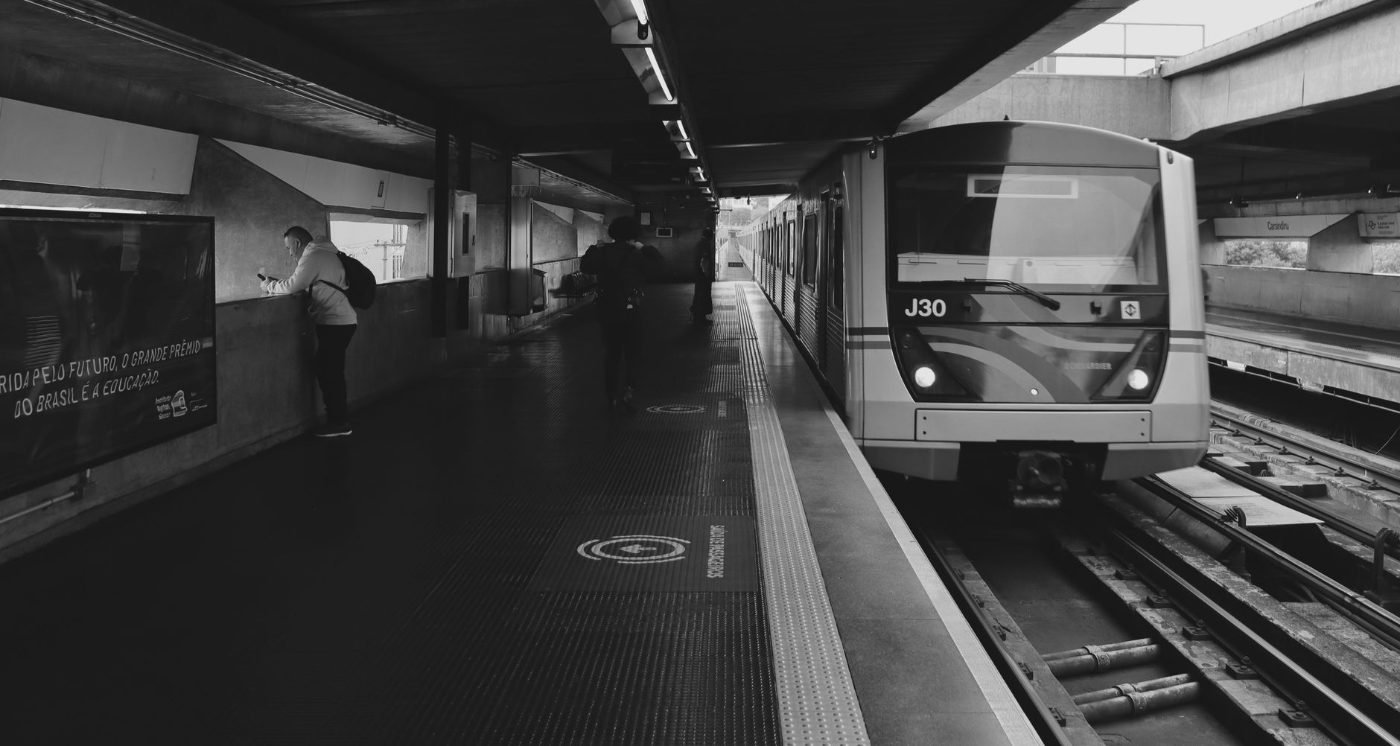
Metrô Rio: The Backbone of Transportation in the South Zone
Rio’s metro operates three lines that cover the city’s main tourist destinations. The Line 1 (orange) runs from General Osório in Ipanema to Uruguai in the North Zone, passing through Siqueira Campos and Cardeal Arcoverde (the two Copacabana stations), Largo do Machado, Catete, Glória, Central do Brasil, and Maracanã. It’s the line most used by tourists.
The Line 2 (green) starts in Botafogo and goes to Pavuna, cutting through São Cristóvão and integrating with Line 1 at Estácio. The Line 4 (yellow) is the newest: it connects General Osório in Ipanema to Jardim Oceânico in Barra da Tijuca. For anyone going from the South Zone to Barra, this line cuts through a stretch that can take 40 minutes in traffic.
The metro fare in 2026 is R$ 7.90 per trip, paid with the RioCard card. Tokens or single tickets are no longer available — the card is mandatory. You can buy and top up the RioCard at station ticket booths or authorized points. For those spending just a few days in the city, it’s worth calculating how many trips you’ll take: the balance doesn’t expire if you keep the card.
The metro runs from 5 AM to midnight on weekdays and Saturdays, and from 7 AM to midnight on Sundays and holidays.
BRT: Express Buses for the West Zone and the Airport
The BRT (Bus Rapid Transit) is a network of articulated buses that run on dedicated corridors. In Rio, there are four main corridors in operation:
- TransOeste: Connects Terminal Alvorada in Barra da Tijuca to Campo Grande, passing through Santa Cruz and Guaratiba.
- TransCarioca: Connects Galeão International Airport (Tom Jobim) to Terminal Alvorada — this is the most useful line for tourists arriving at Galeão heading to Barra or Recreio.
- TransOlímpica: Runs the stretch between Alvorada and Deodoro in the North/West Zone.
- TransBrasil: Runs along Avenida Brasil, from Deodoro to the Novo Rio Bus Station.
The BRT fare is R$ 5.00, paid with the RioCard. No cash payments are accepted on board.
For those arriving at Galeão heading to Barra da Tijuca, the TransCarioca is the most economical option: board at the airport stop with your RioCard, and in 60 to 80 minutes you’ll be at Alvorada. An Uber from Galeão to Barra costs between R$ 80 and R$ 120 depending on the time — the BRT costs R$ 5.00.

VLT: The Best Option in Downtown and the Port Zone
The VLT (Light Rail Vehicle) runs through Downtown Rio and the Port Zone, connecting Central do Brasil, Praça Mauá, Santos Dumont Airport, and the Novo Rio Bus Station. For anyone heading to the Museum of Tomorrow, AquaRio, or catching a domestic flight, the VLT is the most practical option within Downtown — modern, punctual, and with good frequency.
The fare is R$ 5.00 with the RioCard. Service runs from 5 AM to 11 PM. On weekends, when Downtown is quieter, wait times between vehicles tend to be shorter.
Buses: Complete Network, Steeper Learning Curve
Rio has over 400 bus lines covering every neighborhood in the city. For tourists, the learning curve is steeper: line numbers aren’t intuitive, and during peak hours, buses can take twice as long as the metro due to traffic.
The fare is R$ 5.00 with the RioCard. Some buses still accept cash, but with a surcharge.
To use them without hassle, install Moovit before leaving your hotel — it shows lines, stops, and real-time arrival times for Rio de Janeiro. Entering your origin and destination already shows bus, metro, and combined options between the two modes.
Buses running along Avenida Nossa Senhora de Copacabana and Avenida Vieira Souto cover the Downtown–Copacabana–Ipanema–Leblon corridor and are widely used by South Zone residents. Within the South Zone, however, the metro is almost always faster than the bus.
SuperVia Train: Useful for Maracanã and the North Zone
SuperVia is the metropolitan train network that primarily serves the North Zone and the Baixada Fluminense region. For tourists, its main use is getting to Maracanã: the station is two blocks from the stadium and is the safest option on game days when the surrounding area gets very crowded.
Fare: R$ 7.60 with the RioCard. It runs from 4 AM to 11 PM on weekdays.
Ferries: The Crossing to Niterói and Paquetá Island
CCR’s ferries operate between Praça XV in Downtown Rio and Niterói, Paquetá Island, and other locations in Guanabara Bay. Crossing the bay is itself one of the best experiences in the city — the view of Sugarloaf Mountain, Christ the Redeemer, and the forest-covered hills from the boat deck is unlike any angle on land.
Praça XV–Niterói fare: R$ 7.70. Service runs from 6:20 AM to midnight on weekdays. For Paquetá Island, there are specific schedules — check the CCR Barcas website before you go, as times vary on weekends.
RioCard: How to Buy and Top Up
The RioCard is the smart card that integrates the metro, BRT, VLT, municipal buses, SuperVia train, and ferries — all on a single card with a shared balance. Buy it at any metro station ticket booth (the issuance fee is around R$ 10) and load it with the amount you’ll use. The balance doesn’t expire.
With a single RioCard, you can, for example, take the metro in Ipanema, get off at Central do Brasil, and from there take the VLT to Praça Mauá, paying for each leg separately. There’s time-based integration between buses and the metro on certain lines — check with the ticket booth or the RioCard website for current integration details.
Uber, 99, and Taxis: When They’re Worth It
The most popular ride-hailing app in Rio is Uber, followed by 99 (which is usually a bit cheaper). Prices vary by time, weather, and demand — a ride from Copacabana to Jardim Botânico can cost anywhere from R$ 15 to R$ 35 depending on the moment.
In some situations, ride-hailing is clearly the right choice: arriving at the airport late at night when the metro has already closed; neighborhoods without a nearby metro like Santa Teresa, Cosme Velho, and parts of the West Zone; days of heavy rain when buses are severely delayed; and after shows or games at Maracanã — in these cases, wait about 20 minutes for the demand peak to pass before calling one.
Yellow taxis with meters are still common, especially at stands near hotels. They’re safe, but rarely cheaper than Uber. If you use one, make sure the meter is running before you set off.
Safety Tips for Public Transportation
Using public transportation in Rio is safe for the vast majority of people in the vast majority of situations — but a few precautions make a difference.
Your phone is the most targeted item. Don’t hold your phone in your hand on the bus or metro, or near windows. Keep it in an inside pocket of your backpack or in your pants pocket. If you need to check a map or Moovit, take a photo of the route before boarding and put your phone away.
Wear your backpack on your front in crowded places. On the metro during rush hour (7–9 AM and 5–7 PM), packed buses, and busy BRT terminals, put your backpack on your front.
Identify your stop before you arrive. On the metro, platform signage is clear. On buses and the BRT, use Moovit to know exactly which stop to get off at — this avoids needing to check your phone during the entire trip.
After 10 PM, assess the situation. Metro stations have their own security and cameras until closing time. Very empty buses late at night call for caution — in these cases, an Uber might be more relaxing for the stretch.
At bus stops, stay close to other passengers and keep your backpack in front. Avoid leaving bags on the ground while you wait.

Best Transportation for Each Destination: Quick Reference
- Copacabana / Ipanema: Metro Line 1 (Siqueira Campos and General Osório stations)
- Barra da Tijuca: Metro Line 4 (Jardim Oceânico station)
- Downtown / Lapa: Metro Line 1 + walking
- Santa Teresa: Uber or moto-taxi
- Maracanã: Metro Line 1 or SuperVia Train (Maracanã station)
- Galeão Airport: BRT TransCarioca (Terminal Alvorada) or Uber
- Santos Dumont Airport: VLT (Santos Dumont stop)
- Museum of Tomorrow / AquaRio: VLT (Praça Mauá stop)
- Niterói: Ferry from Praça XV
- Paquetá Island: Ferry from Praça XV (specific schedules)
Frequently Asked Questions About Transportation in Rio
Can I use the same RioCard on the metro and the bus?
Yes. The RioCard works on the metro, municipal buses, BRT, VLT, SuperVia train, and ferries — all on the same card with a unified balance.
Is there a daily or weekly pass for tourists?
There is no official unlimited pass for tourists. The RioCard with loaded credits is the alternative — you load the amount you plan to use and it’s deducted per trip.
Is the Rio metro safe?
Stations have their own security, cameras, and staff during all operating hours. The interiors of the cars are monitored. Overall, the metro is safer than buses or open streets during peak hours, and it’s the most recommended option for tourists getting around the South Zone and Downtown.
How do I get from Galeão Airport to Downtown without spending a lot?
Take the BRT TransCarioca to Terminal Alvorada, then Metro Line 4 to General Osório, and from there Line 1 towards Downtown. The entire trip costs less than R$ 20 and takes between 1.5 and 2 hours depending on connections. An Uber from Galeão to Downtown costs between R$ 60 and R$ 100 and takes 30 to 60 minutes in traffic.
Does Moovit work well in Rio?
Yes, with complete coverage of Rio de Janeiro — it shows routes combining metro, BRT, VLT, and buses in real time. It’s the most useful app for anyone unfamiliar with the city’s lines.
Is it safe to use Uber in Rio de Janeiro?
Yes, with the same precautions as in any big city: confirm the driver’s name and license plate before getting in, prefer to board in well-lit and busy areas, and never accept a ride from someone who presents themselves as a driver without you having called them through the app.
Getting around Rio de Janeiro becomes much easier once you understand the role of each mode. The metro handles the main tourist destinations in the South Zone and Downtown for under R$ 8. The BRT connects the airport, Barra, and the West Zone. The VLT takes care of the Port Zone. And Uber fills in the gaps where public transportation doesn’t reach well. Getting your RioCard on the first day and installing Moovit before you leave home is the combination that works for most trips around the city.